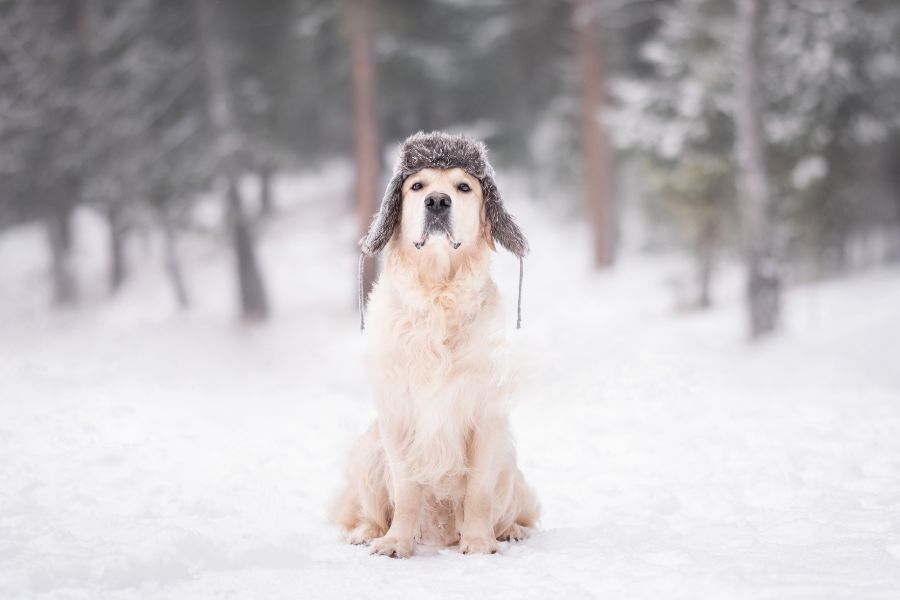
Cold temperatures, icy sidewalks, and harsh winter winds can be tough on our canine companions. Whether you have a playful puppy or a senior pet, understanding proper winter dog care is essential to keeping them safe and comfortable. This guide covers practical cold-weather dog tips, how to protect your dog from the cold, and special considerations for aging pets so you can confidently support your dog through the entire winter season.
Why Winter Dog Care Matters
Dogs experience the cold differently depending on age, breed, size, and coat type. While some breeds tolerate colder temperatures better, all dogs are at risk of frostbite, hypothermia, and joint stiffness when temperatures drop.
Signs Your Dog Is Too Cold
Recognizing early symptoms helps you act before your dog becomes distressed. Watch for:
- Shivering or trembling
- Whining or appearing anxious
- Lifting paws off the ground
- Slowed movement or lethargy
- Curling up tightly to preserve heat
If your dog shows any of these signs, bring them indoors and warm them gradually.
How to Protect Your Dog from the Cold
Keeping your dog safe starts with a combination of proper attire, limited exposure, and supportive home habits.
Limit Time Outdoors
Even cold-tolerant breeds can only handle low temperatures for short periods.
General tips:
- Keep walks shorter on freezing days
- Monitor the wind chill, which makes temperatures feel colder
- Avoid extended outdoor playtime during snowstorms
Dress Your Dog in Protective Clothing
A warm dog coat or sweater creates an important insulation layer. Consider one if your dog is:
- Short-haired
- A small breed
- A senior dog
- Recovering from illness
Make sure the clothing fits snugly but allows free movement.
Protect Their Paws
Ice, salt, and rough surfaces can irritate paw pads.
Cold-weather paw protection options:
- Dog booties for insulation and traction
- Petroleum jelly or paw balms before walks
- Wiping paws after outdoor time to remove chemicals
Avoid Ice and Dark Areas
Dogs can slip on icy patches just as humans do. Avoid:
- Frozen ponds or lakes
- Icy stairs
- Shadowed areas where ice lingers
This helps prevent fractures and sprains.
Cold Weather Dog Tips for Indoor Comfort
Winter safety doesn’t stop once your dog is inside. Simple home adjustments can boost their comfort and well-being.
Create a Warm Sleeping Area
Place their bed:
- Away from drafty windows
- Near a warm but safe area
- On a raised surface to reduce cold floor exposure
Heated dog beds or blankets can be beneficial for arthritic or senior pets.
Adjust Feeding and Hydration
Dogs may burn more calories in winter.
Tips:
- Increase food slightly for active dogs in cold weather
- Provide fresh, unfrozen water at all times
- Add warm (not hot) water to meals on especially chilly days
Maintain a Moist Environment
Indoor heating dries out the air, which can irritate your dog’s skin and nose.
A humidifier helps maintain healthy moisture levels for both people and pets.
Senior Pet Care in the Winter
Older dogs need extra support during cold weather due to age-related changes.
Joint and Arthritis Concerns
Cold temperatures can worsen stiffness and discomfort.
Helpful strategies include:
- Heated beds or orthopedic mattresses
- Low-impact indoor exercises
- Joint supplements (ask your vet before starting any)
Monitor Their Energy and Mobility
Senior dogs may become slower in winter. Keep a close eye on:
- Difficulty standing after sleep
- Hesitation on stairs
- Slowing down during walks
If mobility worsens, schedule a veterinary checkup.
Keep Them Warm at All Times
Because older dogs struggle to regulate body temperature, make sweaters or jackets part of their routine whenever going outdoors.
Grooming Tips for Winter Dog Care
Proper grooming keeps your dog warm and helps maintain skin and coat health.
Don’t Shave Your Dog’s Coat
Your dog’s winter coat provides essential insulation. Trim the fur only enough to prevent matting, especially around the belly and legs.
Bathe Less Frequently
Overbathing strips natural oils from the skin.
Winter bathing tips:
- Use moisturizing or oatmeal-based shampoos
- Fully dry your dog before going outside
- Keep bath sessions short and warm
Brush Regularly
Brushing removes loose fur and stimulates skin circulation.
It also prevents tangles that trap moisture and lead to discomfort.
Safe Winter Exercise Ideas
Dogs still need mental and physical stimulation even on frigid days.
Try these activities indoors:
- Puzzle feeders
- Hide-and-seek games
- Gentle tug-of-war
- Indoor fetch with soft toys
- Scent-tracking games using treats
Keeping your dog active prevents winter weight gain and cabin fever.
When to Call a Veterinarian
Cold-related health concerns can escalate quickly.
Contact your vet if you notice:
- Persistent shivering
- Weakness or confusion
- Pale or swollen paws (possible frostbite)
- Difficulty breathing
- Sudden mobility issues
Winter brings unique challenges for dogs, but with the right precautions, you can keep your furry friend safe, warm, and healthy. From protective outdoor gear to warm indoor spaces and senior pet care strategies, every step you take supports your dog’s comfort throughout the season.
If you’re in Glen Allen, VA, and looking for the best dog care hospital near me, Short Pump Animal Hospital is your trusted source for compassionate, advanced, and reliable pet care.
FAQs
Q1: How cold is too cold for dogs to be outside?
Ans: Most dogs should limit outdoor time when temperatures drop below 32°F, and risk increases significantly below 20°F. Puppies, seniors, and short-haired dogs are sensitive to cold even sooner.
Q2: Do dogs need jackets in winter?
Ans: Yes—small, thin-coated, senior, and sick dogs benefit from a warm jacket or sweater during cold weather to help regulate body temperature.
Q3: How can I keep my dog’s paws safe in winter?
Ans: Use dog booties, apply paw balm, and clean paws after walks to remove salt, ice, and chemicals that irritate paw pads.
Q4: Are heated dog beds safe?
Ans: Heated beds designed specifically for pets are generally safe when used correctly. Always follow the manufacturer’s instructions and monitor senior dogs for overheating.
Q5: How do I know if my dog has frostbite?
Ans: Frostbite often appears as pale, cold skin that may turn red or swollen as it warms. Seek veterinary care immediately if you suspect frostbite.