
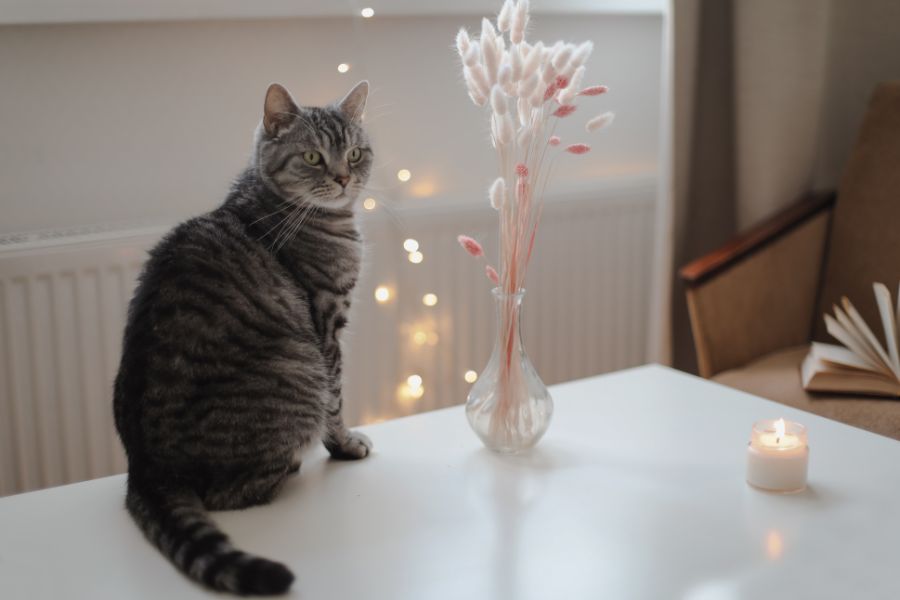
Designing a beautiful home while living with cats can feel like a constant battle between style and survival. The good news? With the right cat-proof home decor strategies, you can create a space that looks elegant and stands up to scratching, climbing, and shedding. This guide covers practical, vet-informed ideas for cat-friendly home decorating, helping you protect your furniture while keeping your feline happy and stress-free.
Why Cat-Proof Home Decor Matters
Cats are naturally curious, territorial, and playful. Scratching, climbing, and exploring are not “bad behavior”; they’re essential instincts. Without a proper setup, your sofa, curtains, and décor become targets.
Creating a pet-friendly home decor environment does more than protect your belongings. It:
- Reduces stress and destructive behavior
- Supports your cat’s physical and mental health
- Helps maintain a clean, organized living space
- Prevents costly furniture damage
A well-planned home benefits both you and your cat.
1. Choose Scratch-Resistant Furniture Fabrics
One of the easiest ways to build a scratch-proof home decor setup is by selecting durable materials.
Best fabric choices:
- Microfiber
- Leather (less appealing for scratching)
- Tightly woven fabrics (like canvas or denim)
Avoid:
- Velvet
- Silk
- Loose-weave upholstery
These materials resist claw damage and are easier to clean, perfect for homes where seasonal shedding can add up quickly.
2. Invest in Stylish Scratching Posts
If you don’t provide an outlet, your cat will create one, usually your couch.
Modern scratching posts now double as décor pieces.
Look for:
- Neutral or wood finishes
- Multi-level scratch towers
- Wall-mounted scratch panels
Place them near areas your cat already targets. This redirects behavior without constant correction.
3. Use Washable and Durable Rugs
Rugs often become scratching zones or fur magnets.
For cat-friendly home decorating, opt for:
- Low-pile rugs
- Indoor-outdoor rugs
- Machine-washable materials
Avoid high-pile or shag rugs, which trap fur and encourage clawing.
Pro tip: In busy households, washable rugs save time and effort during seasonal cleaning.
4. Protect Furniture with Strategic Covers
Furniture covers don’t have to look cheap or temporary.
Stylish solutions:
- Slipcovers in neutral tones
- Decorative throws
- Custom-fit couch protectors
These create a barrier against scratches while maintaining a cohesive look. Rotate and wash them regularly for hygiene.
5. Create Vertical Spaces for Climbing
Cats love height; it gives them a sense of control and security.
Add vertical elements:
- Floating shelves
- Cat trees that match your décor
- Window perches
This reduces destructive behavior by giving your cat a designated play and observation zone.
Vertical space is especially helpful for indoor cats with limited outdoor stimulation.
6. Secure Breakables and Decorations
Cats explore with their paws, and gravity is often the result.
To maintain a cat-proof home decor:
- Use museum putty for fragile items
- Keep breakables on high, stable shelves
- Avoid narrow ledges or unstable décor
Minimalist styling works best in cat households. Fewer items = fewer accidents.
7. Choose Pet-Safe Plants (or Go, Faux)
Many common houseplants are toxic to cats.
Safe plant options:
- Spider plants
- Areca palms
- Calathea
Avoid:
- Lilies
- Aloe
- Pothos
If you love greenery but worry about safety, high-quality artificial plants are a smart alternative for pet-friendly home decor.
8. Hide Cords and Electronics
Dangling cords are irresistible to cats and dangerous.
Cat-proofing tips:
- Use cord covers or cable organizers
- Keep wires tucked behind furniture
- Avoid leaving chargers exposed
This not only protects your devices but also prevents electrical hazards.
9. Opt for Easy-to-Clean Surfaces
Cats shed, track litter, and occasionally vomit. It’s part of pet ownership.
Best surfaces for cat homes:
- Hardwood or laminate flooring
- Leather or sealed furniture
- Washable wall paint finishes
These materials simplify cleaning and maintain a polished appearance.
10. Design a Dedicated Cat Zone
A well-designed cat area reduces chaos throughout the home.
Include:
- Litter box (in a discreet, ventilated area)
- Feeding station
- Toys and scratchers
You can even integrate this space into furniture like hidden litter box cabinets or built-in feeding drawers.
A designated zone helps maintain both cleanliness and organization.
Bonus Tips for Maintaining a Cat-Friendly Home
To keep your scratch-proof home decor working long-term:
- Trim your cat’s nails regularly
- Use deterrent sprays on problem areas
- Rotate toys to prevent boredom
- Schedule routine wellness checks
If destructive behavior suddenly increases, it may signal stress or an underlying issue. A quick visit to Short Pump Animal Hospital in Glen Allen can help rule out medical causes and provide behavioral guidance.
Common Mistakes to Avoid
Even with the best intentions, some décor choices can backfire.
Avoid:
- Declawing (harmful and unnecessary)
- Ignoring scratching behavior
- Buying delicate, high-maintenance furniture
- Overcrowding your space with fragile items
A balance of durability and style is key.
Conclusion
Creating a stylish home doesn’t mean sacrificing comfort or functionality when you have a cat. With smart planning and the right materials, cat-proof home decor can be both elegant and practical. From scratch-resistant furniture to vertical climbing spaces, each adjustment helps protect your home while enriching your cat’s environment.
If your cat shows excessive scratching or behavioral changes, don’t ignore it. Schedule a checkup with your nearest veterinary hospital in Glen Allen, like Short Pump Animal Hospital, to ensure everything is on track. A well-designed home paired with proper care leads to a happier, healthier life for both you and your feline companion.
FAQs
Q1: What is the best fabric for cat-proof furniture?
Ans: Microfiber and tightly woven fabrics are ideal because they resist scratching and are easy to clean, making them perfect for cat-friendly home decorating.
Q2: How do I stop my cat from scratching furniture?
Ans: Provide scratching posts, use deterrent sprays, and redirect behavior consistently. Cats need appropriate outlets for their instincts.
Q3: Are there truly scratch-proof furniture options?
Ans: No furniture is completely scratch-proof, but materials like leather and microfiber significantly reduce visible damage and wear.
Q4: What plants are safe for cats indoors?
Ans: Spider plants, areca palms, and calathea are safe choices. Avoid toxic plants like lilies and aloe in pet-friendly home decor.
Q5: How often should I clean a cat-friendly home?
Ans: Light cleaning should be done daily, with deeper cleaning weekly to manage fur, odors, and overall hygiene effectively.