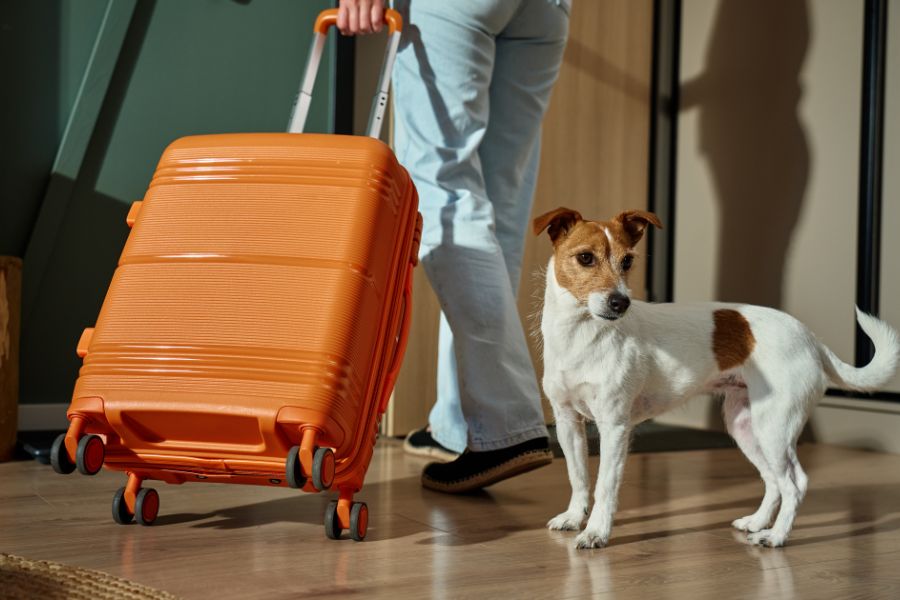
Long-distance travel with pets can be both exciting and overwhelming, especially if you’ve never taken your furry companion on a long trip before. Whether you’re planning a cross-country road adventure or flying to a new destination, proper preparation makes all the difference. In this complete guide, you’ll learn essential pet travel tips, how to keep pets calm during car rides, what to pack, how to choose the best travel carriers for pets, and what you need to know about pet travel certificates, all designed to help you travel long distances with pets confidently and safely.
Preparing Your Pet for Long-Distance Travel
Long-distance travel with pets starts long before you leave the driveway or airport. Proper preparation helps reduce stress, keeps your pet safe, and ensures a smoother journey for everyone.
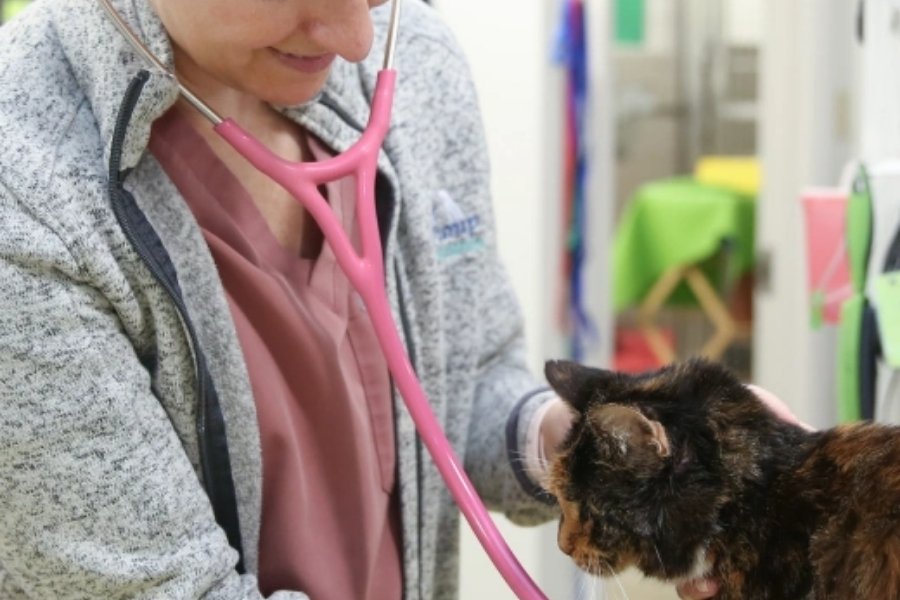
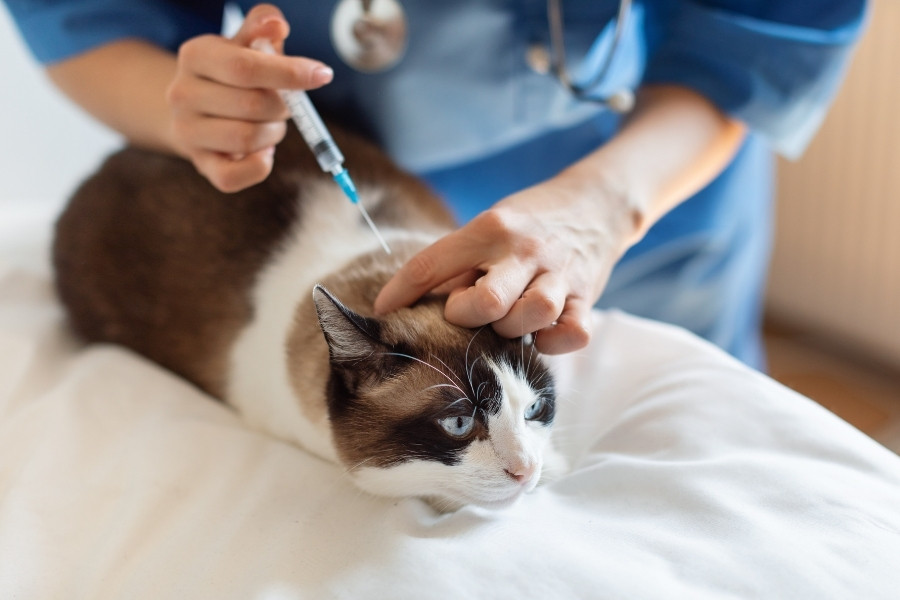
Schedule a Pre-Travel Veterinary Visit
A health exam is essential before extended travel. Your veterinarian can:
- Confirm your pet is fit for travel
- Provide required pet travel certificates if you’re flying or crossing state lines
- Update vaccinations and parasite prevention
- Offer calming or anti-nausea medications if needed
If your pet has chronic health issues, ask your vet about specific precautions during long trips.
Help Your Pet Get Comfortable With Travel Gear
Pets adjust better when they’re familiar with their travel essentials.
Let them explore:
- Their travel carrier or crate
- Car harness or booster seat
- Travel bowls and bedding
Gradually increase exposure—short car rides, crate time, or quiet carrier sessions—so the long trip feels less intimidating.
Choosing the Best Travel Carriers for Pets
A safe, well-ventilated, and secure carrier is one of the most important pieces of pet travel equipment.
What to Look for in a Carrier
The best travel carriers for pets share certain characteristics:
- Adequate ventilation
- Durable materials that withstand movement
- Comfort features like padded interiors
- Safety elements such as strong latches and escape-proof designs
- Airline compliance (if flying)
Hard-shell carriers provide the most protection, while soft-sided carriers offer flexibility and comfort for smaller pets.
Crates and Harnesses for Car Travel
If you’re driving long distances with pets, consider:
- Crash-tested travel crates
- Car seat belt harnesses
- Backseat barriers
- Booster seats for small dogs
Choosing the right setup prevents injury, reduces stress, and keeps your pet contained for their safety.
Packing Essentials for Long-Distance Travel with Pets
Being prepared eliminates half the stress of a long trip. Always pack your pet’s necessities in an easily accessible travel bag.
Must-Have Items for Every Trip
A complete pet travel kit should include:
- Food and water for the entire trip
- Collapsible bowls
- Leash, harness, and ID tags
- Waste bags and litter supplies (for cats)
- Medications and supplements
- Vaccination records and pet travel certificates
- Travel bed or blanket
- Grooming wipes and towels
Having these items ready ensures you’re not scrambling during rest stops or unexpected delays.
Comfort Items to Keep Pets Relaxed
Some pets feel anxious during long rides. Bring items that help them feel secure:
- Their favorite toy
- A familiar-scented blanket
- Calming treats or pheromone sprays
- A white noise machine or soft music playlist
The more familiar the surroundings, the calmer your pet will stay.
Keeping Pets Calm During Car Rides
A calm pet makes travel safer and more enjoyable. If your pet is anxious or restless, long-distance travel can be tough—but the right strategies help greatly.
Exercise Before Departure
A long walk, play session, or training session helps burn excess energy. A tired pet is much more likely to relax once you start the journey.
Use Proper Ventilation and Temperature Control
Pets are sensitive to temperature changes.
Keep the car comfortable by:
- Maintaining moderate A/C levels
- Avoiding sudden temperature shifts
- Ensuring good airflow around carriers
Never leave pets in a parked car, even for a short time.
Reduce Motion Sickness
Some pets experience nausea during long road trips.
Help prevent motion sickness by:
- Feeding small meals before travel
- Offering fresh air through cracked windows
- Using vet-prescribed anti-nausea medication
- Using carriers positioned to face forward
This reduces disorientation and keeps pets comfortable.
Tips for Long Road Trips with Dogs and Cats
Road trips offer flexibility and comfort, but they still require thoughtful planning when traveling long distances with pets.
Plan Frequent Rest Stops
Pets need breaks to stretch, relieve themselves, and hydrate.
Aim for:
- Dogs: A break every 2–3 hours
- Cats: A break every 4–6 hours (in a secure, enclosed space)
Choose pet-friendly rest areas whenever possible.
Keep Your Pet Secured During the Drive
Free-roaming pets can distract drivers and increase injury risk.
Good options include:
- Seat belt harnesses
- Crates or carriers
- Backseat barriers
Securing your pet helps keep everyone safe.
Maintain a Regular Feeding Schedule
Even on long road trips with dogs or cats, try to stick to their normal routine.
Feed at the same times they normally eat to prevent digestive upset.
Air Travel With Pets: What You Should Know
If your journey requires flying, start planning at least 30 days.
Understand Airline Policies
Every airline has its own rules regarding pets.
Most airlines classify pets into:
- In-cabin travel
- Checked pet programs
- Cargo travel
Check weight limits, carrier size requirements, fees, and documentation needed.
Obtain Required Pet Travel Certificates
Most airlines require:
- A current health certificate
- Vaccination records
- Possibly USDA endorsement for international travel
Make sure all documents are up-to-date and easily accessible.
Prepare Your Pet for the Flight
Help your pet adjust by:
- Training them to stay calm in their career
- Limiting food before the flight to reduce nausea
- Labeling the carrier with your contact information
- Including a comfort item like a small blanket
This preparation makes air travel less stressful.
Safety Tips for Traveling Long Distances With Pets
Safety should always be your top priority, no matter how far you’re traveling.
Microchip and Update Your Pet’s ID Tags
Make sure your pet has:
- A functioning microchip
- An ID tag with your current phone number
- A collar or harness that fits securely
These simple steps help reunite families if pets get lost.
Long-distance travel with pets doesn’t have to be stressful. With the right preparation—choosing appropriate carriers, using calming strategies, packing key essentials, and securing proper documentation you can ensure a safe and enjoyable journey for both you and your furry companion. Suppose you are conveniently located in Glen Allen, VA, and searching for the best pet travel care guidance near me. In that case, Short Pump Animal Hospital is the right choice for compassionate, advanced, and reliable pet care.
FAQs
Q1: How do I prepare my dog for long road trips?
Ans: Gradually expose your dog to short car rides, pack familiar items, and ensure they get exercise before you begin the trip. Keeping them secure and comfortable makes travel easier.
Q2: What documents do I need for traveling long distances with pets?
Ans: Most airlines and some states require updated vaccination records and a health certificate. Always check your airline or destination’s specific requirements.
Q3: How do I keep my pet calm during long car rides?
Ans: Use calming treats, pheromone sprays, and familiar bedding, and maintain a comfortable temperature. Frequent breaks also help reduce anxiety.
Q4: What are the best travel carriers for pets?
Ans: Choose carriers with good ventilation, solid construction, secure latches, and proper sizing. For flights, verify airline-approved carrier models.
Q5: How often should I stop when traveling long distances with dogs?
Ans: Plan to stop every 2–3 hours for bathroom breaks, stretching, and hydration. Cats usually need fewer breaks but should still be monitored closely.