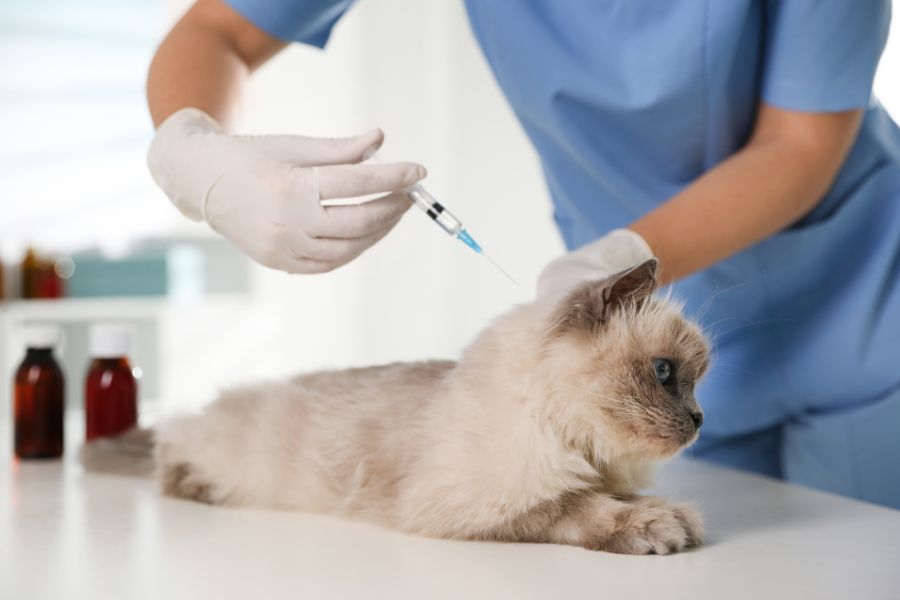
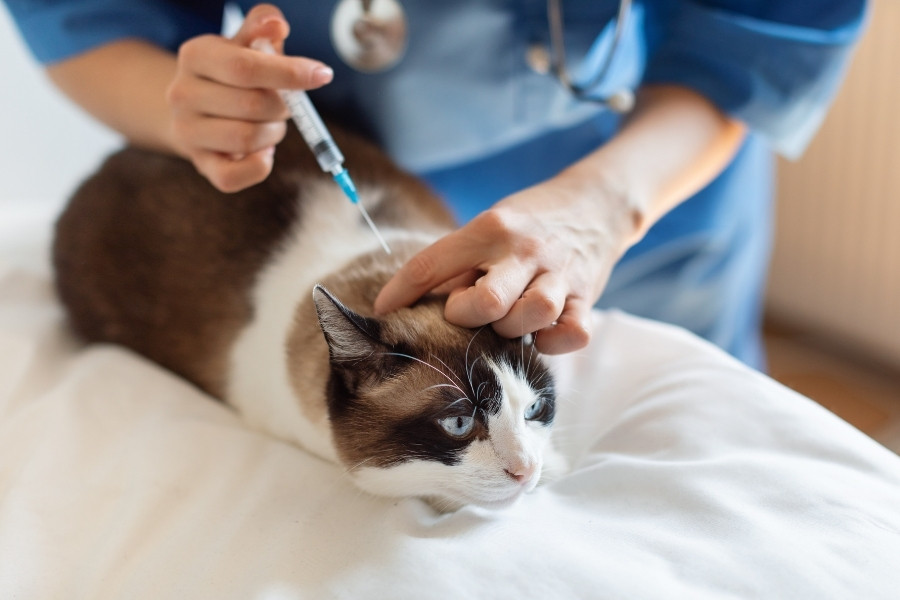
When you bring a cat into your home, you’re welcoming a family member. Just like children need immunizations, cats need protection against serious diseases. Vaccines work as shields, giving your feline friend a strong defense against illnesses that can spread quickly. With proper pet vaccinations, you can help your cat live a longer, healthier, and happier life.
The Lifesaving Role of Core Vaccinations
Core vaccinations are considered essential for every cat, no matter their lifestyle. Whether your cat lounges indoors or loves exploring the outdoors, these vaccines guard against contagious and often deadly diseases. The main core vaccines include protection against rabies, feline herpesvirus, calicivirus, and panleukopenia. By staying up-to-date, you are giving your cat the best chance at avoiding life-threatening conditions.
Rabies: More Than a Legal Requirement
Rabies isn’t just a dangerous disease; it’s also a public health concern. In most states, rabies vaccines are required by law. A bite or scratch from an infected animal can pass the virus along, making vaccination a necessity. A vet will guide you on the right schedule, ensuring your cat remains safe while also protecting your household.
Feline Panleukopenia: The Silent Killer
Feline panleukopenia, often called feline distemper, can spread through contact with infected surfaces or other animals. Sadly, it is frequently fatal, especially in kittens. Vaccination is the strongest defense, and prevention is far easier than treatment. Protecting your cat early prevents heartache later.
Feline Herpesvirus and Calicivirus: Respiratory Threats
Upper respiratory infections may sound mild, but for cats, they can become severe. Feline herpesvirus and calicivirus cause sneezing, eye discharge, mouth ulcers, and loss of appetite. Vaccines won’t always stop cats from catching these viruses, but they do reduce the severity and duration of illness. This means your cat stays healthier, even if exposed.
Indoor Cats Need Protection Too
Many cat owners assume indoor cats don’t require vaccines, but diseases can enter your home in unexpected ways. Shoes, clothing, visiting pets, or even open windows can bring viruses inside. Since prevention is far less stressful than treatment, keeping up with pet vaccinations Glen Allen is the smartest choice.
How Often Should Cats Be Vaccinated?
Vaccination schedules can vary depending on your cat’s age, health, and lifestyle. Kittens usually receive a series of shots starting at six to eight weeks old. Adult cats may need booster shots every one to three years. A trusted veterinarian can design a personalized vaccination plan to fit your cat’s needs.
Building Trust Through Veterinary Care
Beyond vaccines, regular visits to your vet help ensure your cat’s overall well-being. Annual checkups allow early detection of health concerns while keeping vaccination records current. Building a relationship with a reliable vet means you always have guidance when questions or urgency arise.
Common Myths About Cat Vaccines
Some pet parents worry about over-vaccination or believe indoor cats don’t need protection. Others fear side effects. While mild reactions like soreness or fatigue can happen, serious side effects are extremely rare. The benefits far outweigh the risks, and discussing your concerns with a veterinarian Glen Allen helps you make informed decisions.
FAQs About Cat Vaccinations
Q1. Do indoor cats really need vaccinations?
Ans. Yes, indoor cats are still at risk. Viruses can enter your home through clothing, visitors, or other pets. Vaccination provides a safety net.
Q2. How soon should kittens get their first vaccines?
Ans. Most kittens begin their vaccination series at six to eight weeks old, followed by boosters every few weeks until about 16 weeks.
Q3. Are vaccines safe for older cats?
Ans. Absolutely. Senior cats can benefit from vaccines, though your vet may tailor the schedule based on age and health.
Q4. What are the possible side effects of cat vaccines?
Ans. Mild effects like fatigue, slight fever, or tenderness at the injection site may occur. Severe reactions are rare, and vets are trained to handle them.
Q5. How often do adult cats need boosters?
Ans. Most adult cats need boosters every one to three years, depending on the vaccine type and lifestyle risk.
Q6. Can vaccines prevent all illnesses?
Ans. No vaccine is 100% effective, but they greatly reduce the risk of severe illness, making them essential for your cat’s health.
Giving Your Cat the Best Chance at a Healthy Life
Your cat relies on you to make decisions that shape their health and happiness. Staying current on vaccinations protects not only your pet but also your family. Whether you’re raising a playful kitten or caring for a senior cat, regular visits to a veterinarian ensure your feline gets the right protection at the right time. With consistent pet vaccinations, you give your cat the gift of safety, security, and many more years of love.