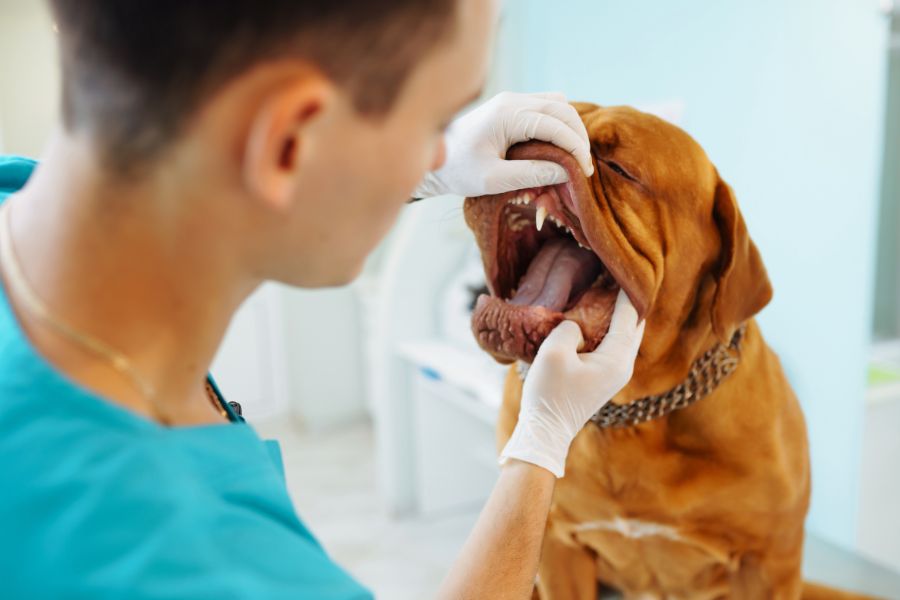


Most pet owners brush their dog’s coat, trim their nails, and schedule routine checkups, but teeth often get overlooked until the problem is impossible to ignore. Bad breath is usually the first clue, but by then, dental disease may already be progressing beneath the gumline. A professional pet teeth cleaning vet appointment goes far beyond a quick polish. It is a medically important procedure that protects your pet’s overall health, not just their smile. In this guide, you will learn exactly what to expect before, during, and after the cleaning so you can walk into your next appointment feeling informed and confident. Whether you have a dog, a cat, or both, understanding this process helps you make the best decisions for their long-term care.
Why Your Pet’s Dental Health Matters More Than You Think
Dental disease is one of the most common health issues seen in pets today. Studies suggest that by age three, most dogs and cats show early signs of periodontal disease yet many go untreated simply because the signs are not obvious to the naked eye. The consequences reach well beyond the mouth. Bacteria from infected gums can enter the bloodstream and travel to the heart, kidneys, and liver, causing serious organ damage over time.
Professional pet dental cleaning is not a cosmetic service. It is preventive medicine. The buildup of plaque and tartar creates pockets between the teeth and gums where bacteria thrive. Without intervention, these pockets deepen, the gum tissue erodes, and tooth loss follows. Catching this early with regular professional pet dental cleaning is one of the most impactful things you can do for your pet’s quality of life.
Many pet owners are surprised to learn just how common dental disease is in cats. Cats hide pain exceptionally well, which means a cat with severe tooth decay may continue eating and acting normally until the condition becomes advanced.
Signs Your Pet Is Overdue for a Dental Cleaning
Pets cannot tell you when their mouth hurts. That is why it is important to know the signs that point to developing dental disease. Here are the most common dog teeth cleaning signs veterinarians watch for:
- Persistent bad breath: A strong, unpleasant odor is not normal. It signals bacterial overgrowth on the teeth and gums.
- Yellow or brown buildup on teeth: Visible tartar, especially along the gumline, means plaque has hardened and requires professional removal.
- Red, swollen, or bleeding gums: Inflamed gum tissue is a hallmark of gingivitis, the earliest stage of periodontal disease.
- Dropping food or chewing on one side: Pain while eating often signals a cracked tooth, abscess, or significant gum disease.
- Pawing at the mouth or face: Dogs and cats will sometimes rub or paw at an area of discomfort, especially around the jaw.
If you notice any of these dog teeth cleaning signs, contact your veterinarian promptly. Early intervention is far less invasive and far more effective than treating advanced dental disease. In our experience, many dogs we examine for unexplained weight loss are actually avoiding food because eating has become painful and a dental cleaning resolves the issue entirely.
Step-by-Step: What Actually Happens During the Procedure
Here is exactly what a professional pet dental cleaning involves at a veterinary clinic in Glen Allen, VA:
- Pre-anesthetic exam and bloodwork: Before any cleaning begins, your veterinarian will examine your pet and run pre-anesthetic bloodwork to confirm they are healthy enough for sedation. This is a safety step, not a formality.
- Anesthesia administration: General anesthesia is required for a thorough cleaning. Pets cannot stay still, hold their mouth open, or communicate discomfort the way humans can. Anesthesia allows the veterinarian to safely examine every surface of every tooth.
- Full mouth X-rays: Dental radiographs reveal what cannot be seen above the gumline, including bone loss, root infections, and tooth fractures hiding beneath the surface.
- Scaling: A trained veterinary technician uses ultrasonic and hand scaling tools to remove plaque and tartar from all tooth surfaces, including below the gumline where disease originates.
- Probing and charting: Each tooth is probed for pocket depth, mobility, and signs of disease. Findings are recorded for your pet’s dental record.
- Polishing: After scaling, teeth are polished to smooth the enamel surface. A smooth surface resists future plaque buildup far better than a rough one.
- Extractions (if needed): If a tooth is too damaged to save, your veterinarian will discuss extraction during the procedure or beforehand based on X-ray findings.
- Recovery monitoring: Your pet is closely monitored as they wake from anesthesia. Most pets are alert and ready to go home the same day.
The entire procedure typically takes one to three hours depending on the extent of cleaning and any additional treatments required.
Pet Dental Care Between Professional Cleanings
What you do at home between vet visits directly impacts how quickly tartar returns. A solid pet dental care routine can significantly extend the time between professional cleanings and protect your pet’s gum health year-round.
Daily toothbrushing with a pet-safe toothpaste is the gold standard. Enzymatic toothpastes are especially effective because they break down plaque biochemically, even when brushing is not perfectly thorough. If your pet resists brushing, dental chews approved by the Veterinary Oral Health Council (VOHC) can provide meaningful plaque reduction. Water additives, dental gels, and specially formulated diets are also part of a complete pet dental care plan.
One of the most common misconceptions we encounter is that dry kibble “cleans” a pet’s teeth. It does not. Most kibble shatters on contact without meaningfully scrubbing the tooth surface. Do not skip professional cleanings based on this assumption. A vet’s guidance on home care is always the most reliable foundation.
In Virginia’s humid climate, pets that spend time outdoors may be exposed to environmental bacteria that can compound gum irritation, making consistent at-home care even more valuable for pets in the Glen Allen, VA area.
Choosing the Right Veterinary Team for Your Pet’s Dental Care
Not all dental cleanings are equal. When selecting a provider for your pet’s oral health, look for a clinic that includes full-mouth digital X-rays as a standard part of the cleaning process, not an optional add-up. X-rays are the only way to detect disease below the gumline. A cleaning without them is incomplete.
Look for a team that performs pre-anesthetic bloodwork, keeps detailed dental charts, and provides clear discharge instructions, including home care recommendations tailored to your specific pet. Transparency throughout the process before, during, and after is a strong indicator of a clinic that prioritizes your pet’s safety.
At Short Pump Animal Hospital in Glen Allen, VA, our team is committed to thorough, fear-free dental care that keeps your pet comfortable and your mind at ease. Speak with your veterinarian for cat teeth cleaning cost information and scheduling.
Conclusion
Dental cleanings are not a luxury they are a core part of keeping your pet healthy for the long run. Understanding what the procedure involves removes the anxiety around it and helps you commit to regular care on your pet’s behalf. A professional pet teeth cleaning vet appointment once a year, combined with consistent home care, is one of the most effective ways to prevent pain, tooth loss, and systemic disease. Your pet depends on you to notice the signs and act early. Short Pump Animal Hospital is here to make that process straightforward and stress-free for both of you. Book an appointment today.
Frequently Asked Questions
Q: Does my pet really need to be under anesthesia for a teeth cleaning?
Ans: Yes. Anesthesia is required for a safe and thorough cleaning. It allows the veterinarian to examine every tooth surface, take full-mouth X-rays, and probe below the gumline without causing stress or pain to your pet. Anesthesia-free dental cleanings only address visible surfaces and miss where disease actually begins.
Q: How often should my dog or cat get a professional teeth cleaning?
Ans: Most pets benefit from a professional cleaning once a year. Some breeds, particularly small dogs and flat-faced breeds, may need cleanings more frequently due to crowded teeth and faster tartar buildup. Your veterinarian will recommend the right schedule based on your pet’s individual dental health.
Q: What should I feed my pet after a dental cleaning?
Ans: If your pet had extractions or gum work, your veterinarian may recommend soft food for a few days while the mouth heals. For routine cleanings with no extractions, most pets can return to their normal diet the same evening. Always follow the specific discharge instructions your veterinary team provides.
Q: Are there risks associated with anesthesia in pets?
Ans: All anesthesia carries some level of risk, which is why pre-anesthetic bloodwork and a physical exam are performed beforehand. Modern veterinary anesthesia protocols are highly refined, and monitoring equipment tracks your pet’s vitals throughout the procedure. For most healthy pets, the risks are very low, and the benefits of a proper cleaning far outweigh them.
Q: How can I tell if my cat needs a teeth cleaning?
Ans: Cats are experts at hiding discomfort, so signs can be subtle. Watch for bad breath, drooling, dropping food, reluctance to eat hard food, or pawing at the face. Yellowing along the gumline and visibly red gums are also red flags. Annual veterinary exams that include an oral exam are the most reliable way to catch dental disease early in cats.