Rabies in cats is a serious and often fatal viral disease that every pet owner should understand. Knowing the rabies symptoms in cats, recognizing early warning signs, and keeping up with rabies vaccine for cats can save lives. In this guide, we’ll explain how rabies spreads, what to watch for, and the best strategies for rabies prevention in cats to keep your feline safe.
What Is Rabies and Why Is It Dangerous for Cats?
Rabies is a viral disease that affects the brain and nervous system of mammals, including cats and humans. It spreads primarily through bites from infected animals such as raccoons, bats, foxes, or stray dogs.
Once symptoms appear, rabies is almost always fatal. This makes early prevention and proper cat rabies vaccination absolutely critical.
Cats are actually one of the most commonly reported domestic animals with rabies in the United States, especially outdoor cats. Even indoor cats are at risk if they come into contact with infected wildlife.
How Do Cats Get Rabies?
Understanding how rabies spreads is key to effective rabies prevention in cats.
Common transmission methods:
- Bite wounds from infected animals
- Scratches contaminated with saliva
- Contact with saliva through open wounds or mucous membranes
Outdoor cats are at the highest risk, but indoor cats can still be exposed if:
- A bat enters your home
- They escape outside temporarily
- They interact with other unvaccinated pets
Rabies Symptoms in Cats: Early Warning Signs
Recognizing rabies symptoms in cats early can be difficult because they often mimic other illnesses. However, there are distinct behavioral and physical changes to watch for.
Early-stage symptoms:
- Sudden behavior changes (friendly cats becoming aggressive or shy cats becoming bold)
- Fever
- Loss of appetite
- Excessive grooming or licking at a bite site
Progressive symptoms:
- Aggression or unusual irritability
- Restlessness and anxiety
- Difficulty swallowing
- Drooling or foaming at the mouth
Advanced-stage symptoms:
- Paralysis
- Seizures
- Disorientation
- Sudden death
If you notice any of these cat rabies signs, especially after a possible animal bite, seek veterinary care immediately.
Types of Rabies in Cats
Rabies can present in two main forms, and both are dangerous.
1. Furious Rabies
This is the more recognizable form:
- Aggression
- Biting behavior
- Extreme sensitivity to light and sound
2. Paralytic (Dumb) Rabies
This form is quieter but equally deadly:
- Weakness
- Loss of coordination
- Gradual paralysis
Because symptoms can vary, any unusual behavior should be taken seriously.
Why Rabies Is a Public Health Concern
Rabies is not just a pet issue; it’s a serious public health risk. The virus can spread to humans through bites or scratches.
This is why:
- Rabies vaccination is legally required in many states
- Suspected cases must be reported
- Unvaccinated animals exposed to rabies may need strict quarantine or euthanasia
Protecting your cat also protects your family and community.
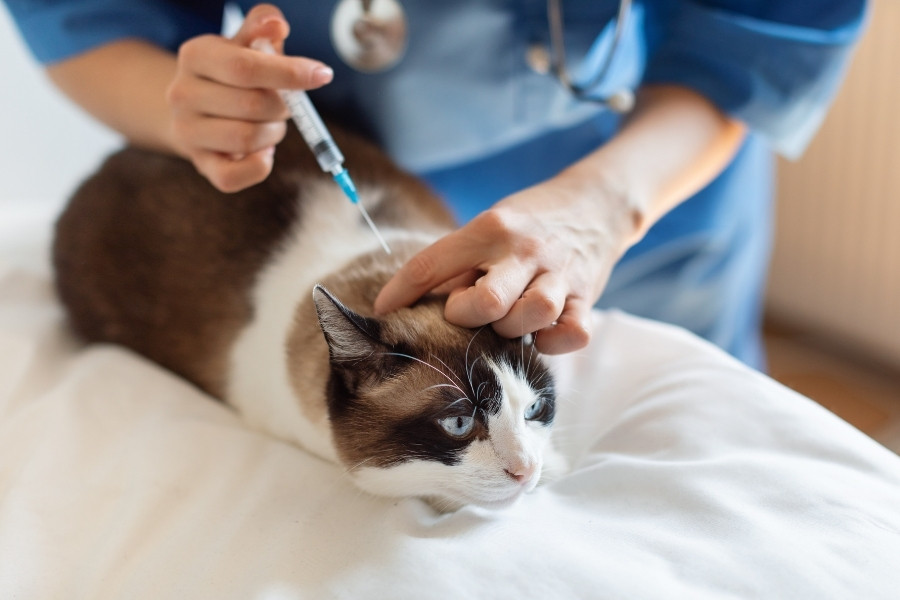
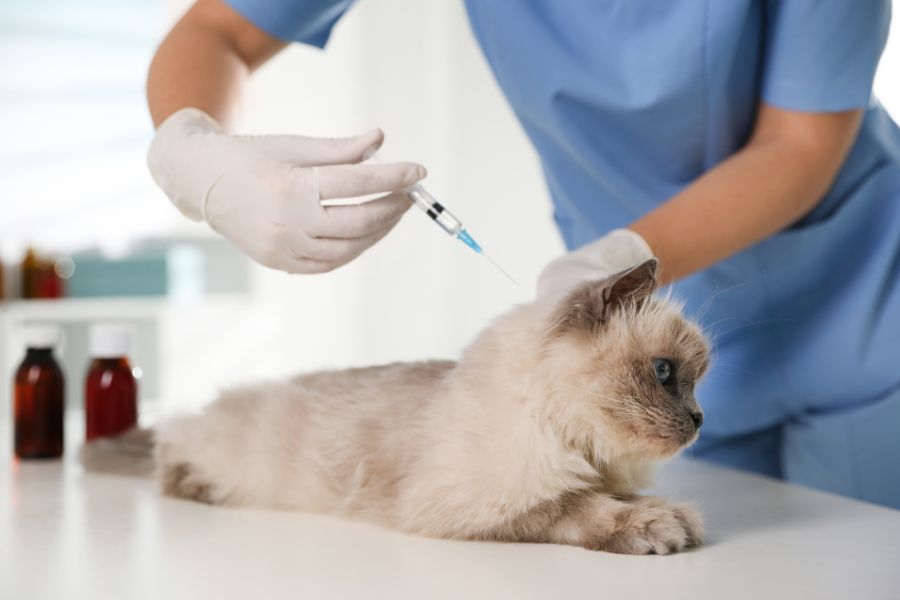
Rabies Vaccine for Cats: Your Best Defense
The most effective way to prevent rabies is through proper vaccination.
Vaccination schedule:
- First vaccine: Around 12–16 weeks of age
- Booster: 1 year later
- Ongoing boosters: Every 1–3 years (depending on local laws and vaccine type)
Benefits of rabies vaccination:
- Protects your cat from a fatal disease
- Required by law in most areas
- Reduces risk to humans
- Helps avoid costly quarantine procedures
Keeping up with cat rabies vaccination is a core part of responsible pet ownership.
Rabies Prevention in Cats: Practical Tips
Beyond vaccination, there are several ways to reduce your cat’s risk.
Key prevention strategies:
- Keep your cat indoors whenever possible
- Supervise outdoor time or use a secure enclosure
- Avoid contact with wild or stray animals
- Seal entry points to prevent bats or wildlife from entering your home
- Ensure all pets in your household are vaccinated
These steps significantly improve rabies prevention in cats and overall safety.
What to Do If Your Cat Is Exposed to Rabies
If you suspect your cat has been bitten or exposed:
Take immediate action:
- Avoid direct contact with your cat’s saliva
- Wear gloves if handling your pet
- Contact your veterinarian right away
- Provide details about the exposure
Your vet may recommend:
- A booster vaccine if your cat is vaccinated
- Quarantine and observation
- Testing in severe cases
Quick action can make a major difference in outcomes.
Diagnosis and Treatment of Rabies in Cats
Unfortunately, there is no cure once clinical signs of rabies appear.
Diagnosis:
- Rabies cannot be definitively diagnosed in a living animal
- Testing is done after death using brain tissue
Treatment:
- No effective treatment exists after symptoms develop
- Care is focused on prevention and safety
This is why early vaccination and cat preventative care are essential.
Importance of Routine Cat Preventive Care
Rabies prevention is just one part of keeping your cat healthy. Regular vet visits help catch problems early and ensure vaccinations are up to date.
Preventative care includes:
- Routine wellness exams
- Vaccinations (including rabies)
- Parasite control
- Nutritional guidance
At Short Pump Animal Hospital, veterinarians emphasize preventive care to protect pets from serious diseases like rabies.
Common Myths About Rabies in Cats
Let’s clear up some misconceptions:
Myth 1: Indoor cats don’t need rabies vaccines
Fact: Indoor cats can still be exposed to rabies through bats or accidental escapes.
Myth 2: Rabies is rare
Fact: Rabies is still present in wildlife across the U.S., making vaccination essential.
Myth 3: You can treat rabies at home
Fact: Rabies is fatal once symptoms appear—prevention is the only solution.
Conclusion
Rabies is a deadly but preventable disease. Understanding the rabies symptoms in cats, recognizing early cat rabies signs, and staying consistent with rabies vaccine for cats are the most effective ways to protect your pet. Prevention, awareness, and regular veterinary care are your strongest tools.
If you are a cat owner in Glen Allen and your cat is due for vaccinations, or you’re concerned about a possible cat health issue, schedule a visit at Short Pump Animal Hospital today and ensure your feline friend stays safe and healthy.
FAQs
Q1: What are the first rabies symptoms in cats?
Ans: Early symptoms include behavior changes, fever, loss of appetite, and unusual aggression or shyness, often appearing days to weeks after exposure.
Q2: Is rabies vaccination required for indoor cats?
Ans: Yes, even indoor cats should receive the rabies vaccine since accidental exposure to wildlife like bats can still occur.
Q3: How often do cats need a rabies vaccine?
Ans: Cats typically need a booster one year after the first shot, then every one to three years depending on vaccine type and local regulations.
Q4: Can a vaccinated cat still get rabies?
Ans: It is extremely rare. Proper and up-to-date vaccination provides strong protection against rabies infection.
Q5: What should I do if my cat is bitten by a wild animal?
Ans: Contact your veterinarian immediately. They may recommend a booster vaccine, observation, or quarantine depending on vaccination status.