Preparing your pet for surgery can feel overwhelming, especially if it’s your first time facing a procedure. Knowing exactly how to prepare your pet for surgery helps reduce stress, prevent complications, and support a smooth recovery.
In this step-by-step guide, we’ll walk through a practical pre-surgery checklist for pets, explain what your veterinary surgeon needs from you, and cover essential pet surgery aftercare tips to ensure the best outcome.
Why Proper Preparation Before Pet Surgery Matters
Surgery is a controlled medical procedure, but preparation plays a major role in its success. Whether your pet is undergoing a routine spay or neuter or a more complex orthopedic procedure, careful planning improves safety and recovery time.
Benefits of proper surgical preparation include:
- Reduced anesthesia risks
- Lower chance of infection
- Faster healing
- Less anxiety for both you and your pet
A qualified veterinary surgeon relies on accurate health history, fasting compliance, and preoperative testing to minimize risks. Your role at home is just as important as the medical care provided at the clinic.
Step 1: Schedule a Pre-Surgical Examination
Before any procedure, your veterinarian will perform a full physical exam. This appointment ensures your pet is healthy enough for anesthesia and surgery.
During this visit, your vet may:
- Check heart and lung function
- Assess hydration status
- Evaluate weight and body condition
- Review current medications
Recommended Diagnostic Testing
Many clinics recommend pre-anesthetic bloodwork. This helps detect hidden conditions such as:
- Liver or kidney dysfunction
- Anemia
- Blood clotting disorders
Even young and healthy pets benefit from baseline lab testing. It allows your veterinary team to tailor anesthesia specifically to your pet’s needs.
Step 2: Follow the Fasting Instructions Carefully
One of the most important parts of the pre-surgery checklist for pets is proper fasting.
Why Fasting Is Necessary
Anesthesia relaxes muscles, including those that prevent stomach contents from entering the lungs. If your pet eats before surgery, there is a risk of vomiting and aspiration pneumonia.
Typical Fasting Guidelines
- No food after midnight the night before surgery
- Water may be allowed until early morning, depending on instructions
- Puppies and kittens may have modified fasting rules
Always follow the exact directions provided by your veterinarian. If your pet accidentally eats, notify the clinic immediately.
Step 3: Adjust Medications if Needed
If your pet is on medication for conditions like diabetes, arthritis, or heart disease, ask your veterinarian whether you should give it on surgery day.
Common adjustments may include:
- Skipping morning insulin
- Delaying anti-inflammatory drugs
- Adjusting heart medications
Never stop or change medications without professional guidance.
Step 4: Create a Calm Environment at Home
Pets sense stress. Keeping your home calm before surgery reduces anxiety and helps them rest the night before.
You can:
- Avoid exciting play sessions
- Keep routines consistent
- Offer a quiet sleeping area
- Avoid introducing new foods or treats
If your pet experiences severe anxiety, discuss calming supplements or medications with your veterinarian in advance.
Step 5: Prepare for Transportation
On the day of surgery, safe transport is essential.
For Dogs
- Use a leash and secure harness
- Bring them directly inside the clinic
For Cats
- Use a sturdy carrier
- Place a familiar blanket inside
- Cover the carrier lightly to reduce stress
Arrive on time, as delays can disrupt surgical scheduling and anesthesia plans.
Step 6: Understand the Surgical Procedure
Before leaving your pet at the clinic, make sure you understand:
- What procedure is being performed
- Expected duration
- Potential risks
- Pain management plan
- Estimated recovery timeline
Clear communication builds trust and ensures you feel confident in your decision.
What Happens During Veterinary Surgery
Modern veterinary surgery is highly advanced and carefully monitored.
During surgery:
- Your pet is placed under general anesthesia.
- Monitoring equipment tracks heart rate, oxygen levels, blood pressure, and temperature.
- A trained technician assists the veterinary surgeon throughout the procedure.
- Sterile techniques are used to prevent infection.
Continuous monitoring significantly increases safety and allows rapid response if changes occur.
Step 7: Plan for Pet Surgery Aftercare
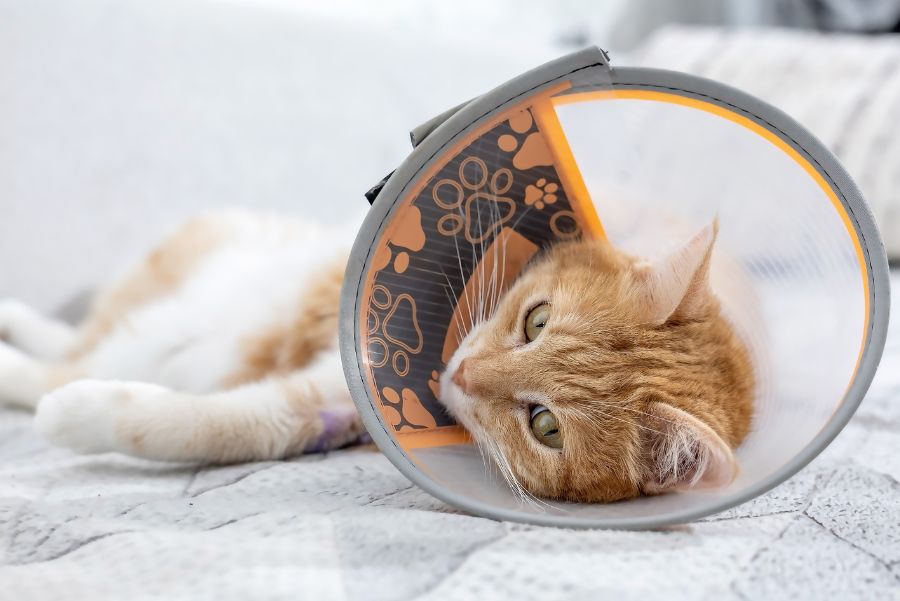
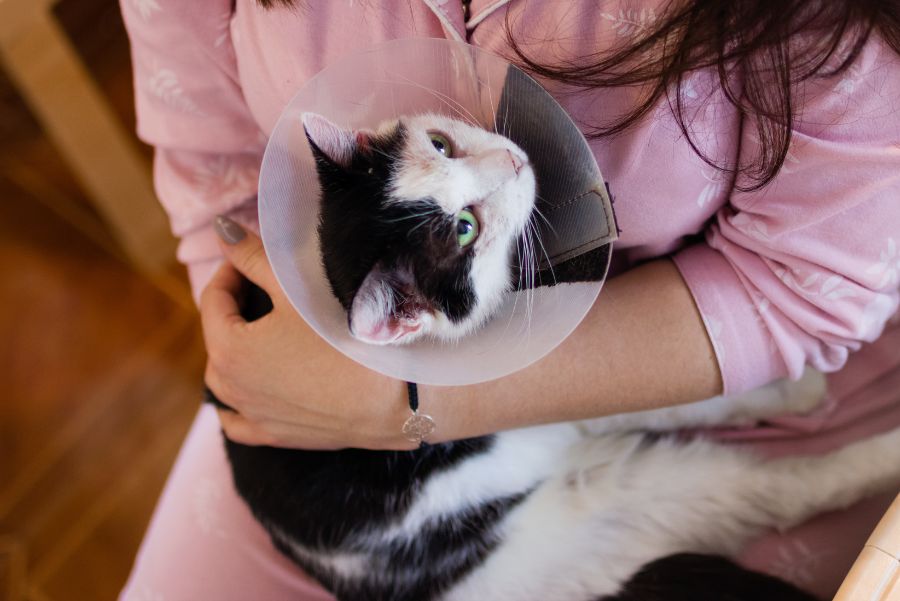
Proper pet surgery aftercare begins before you even pick your pet up. Preparing your home in advance makes recovery smoother.
Set Up a Recovery Space
- Quiet, warm, and comfortable area
- Away from stairs and active children
- Limited access to other pets
Stock Necessary Supplies
- Prescribed medications
- E-collar or surgical suit
- Soft bedding
- Easy-to-digest food
Activity Restriction
Many procedures require limited movement for 10 to 14 days. Jumping, running, or rough play can cause complications like incision breakdown.
Follow your vet’s specific instructions carefully.
Signs of Normal Recovery vs. Warning Signs
Normal After Surgery
- Mild grogginess
- Decreased appetite for 24 hours
- Small amount of swelling at incision site
Call Your Veterinarian If You Notice
- Persistent vomiting
- Excessive swelling or discharge
- Bleeding
- Lethargy lasting more than 48 hours
- Open incision
Prompt attention prevents minor issues from becoming serious complications.
Common Surgeries and Recovery Expectations
Spay or Neuter
- Recovery: 10 to 14 days
- Restricted activity required
- Minimal swelling expected
Dental Surgery
- Soft food is recommended for several days
- Mild drooling may occur
Orthopedic Procedures
- Strict crate rest
- Physical therapy may be recommended
- Recovery may take several weeks
Each procedure has different requirements. Always follow individualized instructions provided by your veterinary surgeon.
How to Emotionally Prepare Yourself
Pet parents often feel nervous about surgery. That’s completely normal.
To ease your mind:
- Ask detailed questions
- Request updates during the procedure
- Review discharge instructions thoroughly
- Schedule follow-up visits in advance
Confidence in your veterinary team makes a significant difference in your overall experience.
Choosing the Right Veterinary Surgical Team
When considering veterinary surgery in Glen Allen, look for:
- Experienced veterinary surgeons
- Modern monitoring equipment
- Clear communication
- Detailed discharge instructions
- Positive client reviews
A well-equipped surgical facility combined with an experienced team ensures your pet receives best care.
Conclusion
Learning how to prepare your pet for surgery is one of the best ways to protect their health and ensure a smooth recovery. From following a thorough pre-surgery checklist for pets to planning proper pet surgery aftercare, every step matters.
If you are searching for compassionate veterinary surgery near me, the experienced team at Short Pump Animal Hospital provides trusted, high-quality care tailored to your pet’s needs. Schedule a consultation and ensure your pet is fully prepared for a safe and successful procedure.
FAQs
Q1: How do I prepare my pet for surgery the night before?
Ans: Remove food as instructed, keep your pet calm, avoid treats, and confirm arrival time with your veterinarian.
Q2: Can my pet drink water before surgery?
Ans: In most cases, water is allowed until early morning, but always follow your veterinarian’s exact instructions.
Q3: How long does pet surgery aftercare usually last?
Ans: Most routine procedures require 10 to 14 days of restricted activity, but orthopedic surgeries may take several weeks.
Q4: Is bloodwork really necessary before pet surgery?
Ans: Yes, pre-anesthetic bloodwork helps detect hidden issues that could increase anesthesia risks.
Q5: What should I monitor at home after surgery?
Ans: Watch the incision for swelling or discharge, monitor appetite and energy levels, and administer medications as prescribed.