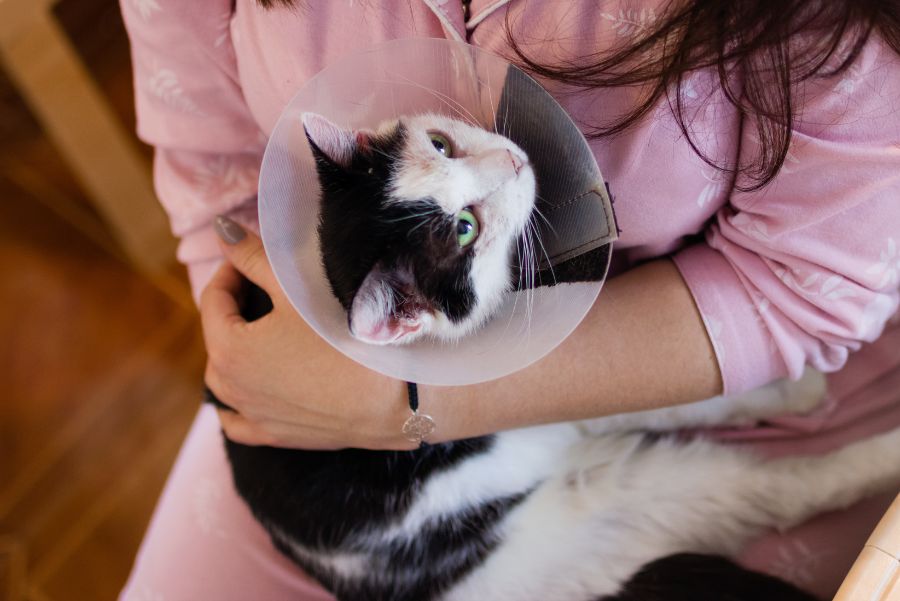

If you have a new kitten, one of the first health decisions you will face is scheduling cat spay neuter surgery. It is one of the most important steps you can take for your cat’s long-term health and quality of life. Many pet owners know they should do it, but they are not always sure what the procedures actually involve, when to schedule them, or what recovery looks like. Understanding the difference between spaying and neutering helps you feel confident going into your appointment. In this guide, we walk you through everything you need to know, from what each procedure involves to what to expect before, during, and after surgery.
What Is the Difference Between Spaying and Neutering Surgery?
Spaying and neutering are both surgical sterilization procedures, but they are performed differently depending on your cat’s gender.
Spaying a female cat is called an ovariohysterectomy. The surgeon removes the ovaries and uterus through a small incision in the abdomen. This fully prevents pregnancy and eliminates the hormonal cycles that drive heat behavior.
Neutering a male cat is a simpler procedure. The surgeon makes a small incision near the scrotum and removes both testicles. Recovery is typically faster, and most male cats bounce back within a few days.
Both procedures are performed under general anesthesia. They are among the most commonly performed surgeries in veterinary medicine, with millions of cats safely spayed and neutered each year across the United States.
Health Benefits of Spaying a Female Cat
Spaying a female cat does far more than prevent unwanted litters. It eliminates the risk of uterine infections, which are known as pyometra. Pyometra is a life-threatening condition that can develop in unspayed cats and often requires urgent surgery.
Spaying also significantly reduces the risk of mammary tumors. According to general veterinary guidelines from the AVMA, cats spayed before their first heat cycle have a much lower lifetime risk of developing mammary cancer.
In our experience, many cat owners in the Glen Allen area are surprised to learn that a female cat can go into heat as early as four to five months of age. Heat cycles are not just inconvenient. They cause real stress for your cat and can lead to behavioral changes that are difficult to manage without intervention.
Unspayed female cats are also at higher risk for ovarian cysts. Spaying removes that risk entirely.
Health and Behavioral Benefits of Neutering a Male Cat
Neutering a male cat produces some of the most noticeable behavior changes of any routine veterinary procedure. Intact male cats are driven by testosterone to roam, fight, and mark their territory with strong-smelling urine.
Pet owners often tell us the urine spraying issue alone was what motivated them to schedule the appointment. Neutering eliminates or significantly reduces spraying in most cats, especially when done before the behavior becomes a habit.
Beyond behavior, neutering a male cat also reduces the risk of testicular cancer and lowers the likelihood of prostate problems later in life. Intact males that roam outdoors are far more likely to get into fights, which raises the risk of abscesses and infectious disease transmission.
One of the most common questions we get from cat owners is whether neutering changes their cat’s personality. The answer is reassuring. Neutered cats remain just as affectionate and playful. They simply lose the drive to roam and fight.
What Is the Best Age to Spay or Neuter Your Cat?
Most veterinarians recommend scheduling the procedure between four and six months of age. This timing allows the kitten to develop normally while reducing the health risks associated with waiting.
The best age to neuter a cat or spay a female cat depends on overall health and development. Your vet will assess your individual kitten before recommending a date. Some shelters and rescues perform pediatric spay and neuter as early as eight weeks, which is considered safe under appropriate protocols.
Waiting too long does carry risks. Female cats spayed after multiple heat cycles have a higher risk of mammary tumors compared to those spayed earlier. Male cats that have already developed spraying or roaming habits may continue some of those behaviors even after neutering.
At Short Pump Animal Hospital, we frequently remind our clients that there is no benefit to waiting for a female cat to have one litter before spaying. That is a common myth. Early spaying is actually healthier for your cat.
Cat Surgery Recovery Tips and What to Watch For
Recovery from spay or neuter surgery is generally smooth, but your cat will need a calm environment for the first several days. Good cat surgery recovery tips include limiting jumping and running, checking the incision site daily, and keeping your cat indoors.
For female cats, the incision should look clean and dry with mild redness that fades over time. For male cats, some mild swelling is normal in the first day or two.
Watch for these signs that warrant a call to your veterinarian:
- Swelling, discharge, or odor at the incision site
- Lethargy that lasts more than 48 hours post-surgery
- Loss of appetite beyond 24 hours after returning home
- Repeated licking or chewing at the surgical site
In Virginia’s warmer months, we see more post-surgical infections linked to outdoor activity before full healing. Keep your cat strictly indoors for at least 10 to 14 days after surgery.
Conclusion
Spaying and neutering are two of the most beneficial procedures you can do for your cat’s health, behavior, and longevity. They reduce the risk of serious diseases, prevent unwanted litters, and make life calmer for both pets and their owners in Glen Allen. Whether you have a young female kitten approaching her first heat or a male cat starting to show territorial behaviors, now is the right time to schedule cat spay or neuter surgery. The sooner you act, the greater the health benefits for your cat. If you have questions about timing, what to expect, or how to prepare, our vet team at Short Pump Animal Hospital is ready to help. Book an appointment today.
Frequently Asked Questions
How long does spaying surgery take for a cat?
Ans: Spay surgery for a cat typically takes between 20 and 60 minutes, depending on the cat’s age, weight, and whether she has been in heat recently. Your veterinarian will give you a more specific time estimate during your pre-surgical consultation.
Will my cat gain weight after being spayed or neutered?
Ans: Spaying and neutering can slightly reduce your cat’s metabolism. Weight gain after surgery is common but preventable. Ask your vet about adjusting your cat’s diet and portion size after the procedure to keep them at a healthy weight.
Is it safe to spay or neuter a cat in heat?
Ans: It is generally recommended to wait until after a heat cycle ends before scheduling spay surgery. Operating during a heat cycle increases the risk of surgical complications due to increased blood flow to reproductive tissues. Your vet will advise on the best timing.
How do I care for the incision site after my cat’s surgery?
Ans: Check the incision daily for signs of redness, swelling, or discharge. Keep it clean and dry. Do not apply any ointments or creams unless directed by your vet. Use a recovery collar to prevent licking. Contact your vet if anything looks unusual.
At what age is it too late to spay or neuter a cat?
Ans: There is no strict age at which spaying or neutering becomes impossible. Healthy adult cats of any age can be safely spayed or neutered. Older cats may require additional bloodwork before surgery to confirm they are good candidates for anesthesia. Talk to your vet to evaluate your individual cat.