As a pet parent, you want your furry companion to live a long, healthy, and happy life. One of the most effective ways to ensure that is through regular vaccinations. Skipping them might seem harmless at first glance, but it can lead to serious health risks for both pets and people. Vaccines not only protect your pet but also prevent the spread of dangerous diseases within your community. With trusted pet vaccinations in Glen Allen, your four-legged friend receives the shield they need against preventable illnesses.
The Hidden Dangers of Skipping Vaccinations
When pets miss their vaccinations, they become more vulnerable to diseases such as rabies, distemper, and parvovirus. These conditions can spread quickly and often result in painful, life-threatening symptoms. Rabies, for example, isn’t just a risk to pets—it also endangers humans.
By skipping even one important vaccine, you’re leaving a door open for illness to enter your pet’s life. Over time, this choice can cost far more in emotional stress and medical bills than the vaccines themselves.
How Vaccines Build a Safety Net for Pets
Think of vaccinations as a safety net. They train your pet’s immune system to recognize and fight off harmful viruses before they cause damage. This protection not only keeps your dog or cat healthy but also limits outbreaks within your community.
With pet vaccinations in Glen Allen, veterinary teams create customized schedules based on your pet’s age, breed, and lifestyle. That way, your furry friend stays protected without receiving unnecessary treatments.
Financial Impact: Paying More Later
Some pet parents skip vaccinations to save money. While it might seem like a small savings now, the financial consequences of treating preventable diseases can be overwhelming. For example, treating parvovirus in dogs often requires intensive hospitalization, which can be both costly and emotionally draining.
On the other hand, vaccinations are affordable, quick, and proven to prevent costly health complications in the future. In short, investing in vaccines is one of the most cost-effective ways to safeguard your pet’s future.
Community Health Risks: It’s Not Just About Your Pet
Vaccinations protect more than just the individual animal—they protect the entire community. When most pets are vaccinated, diseases have fewer chances to spread. However, if more people begin skipping vaccines, outbreaks become more likely.
For instance, rabies vaccination is legally required in most areas because of its severe risks to public health. By staying on schedule with pet vaccinations Glen Allen, you’re contributing to a healthier and safer environment for every pet and person nearby.
Senior Pets and Vaccinations: Do They Still Need Them?
Many pet parents wonder if older pets need vaccines. The answer is yes. Although senior pets may not need every vaccine they received when younger, boosters remain important. Age doesn’t make pets immune to diseases; in fact, their immune systems may weaken over time.
Veterinarians often adjust the schedule and tailor recommendations, ensuring older pets receive protection without unnecessary stress.
What to Expect When Vaccinating Your Pet
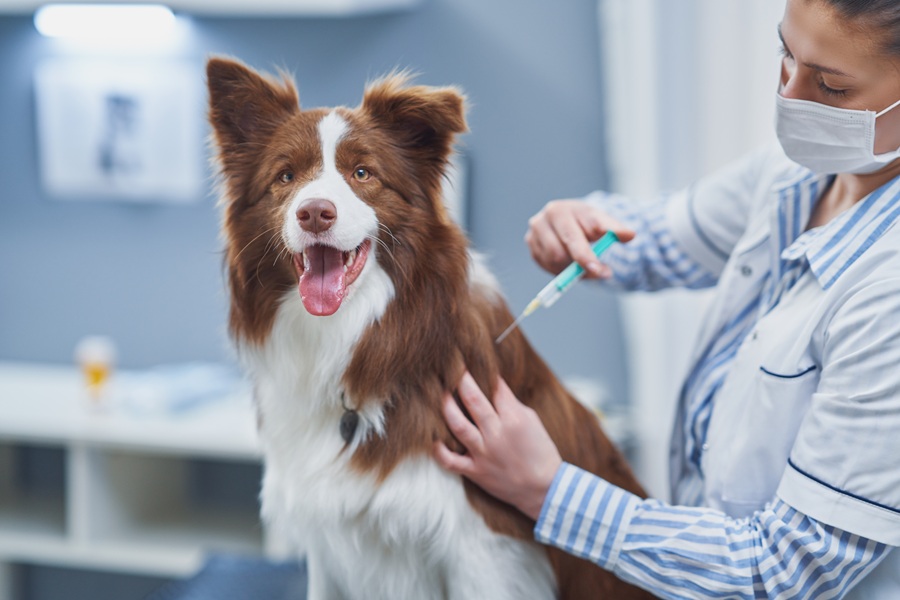
Veterinarians make the vaccination process as stress-free as possible. A typical appointment includes a health check, followed by the recommended vaccines. Pets may feel mild side effects like slight soreness or sleepiness, but serious reactions are rare.
The benefits far outweigh the temporary discomfort. With the right veterinary care, your pet will be back to wagging tails and playful energy in no time.
FAQs
Q1. Are vaccines really necessary for indoor pets?
Ans. Yes. Even indoor pets can be exposed to diseases through contact with people, other animals, or pests like mosquitoes that carry heartworm.
Q2. What happens if I’m late for my pet’s vaccinations?
Ans. Your veterinarian may restart or adjust the vaccination schedule to restore full protection. It’s best to get back on track as soon as possible.
Q3. Can vaccines make my pet sick?
Ans. Most pets only experience mild, temporary effects such as fatigue or slight swelling. Serious side effects are rare and usually preventable with proper care.
Q4. How often does my dog or cat need vaccinations?
Ans. Schedules vary based on age, breed, and lifestyle. Your vet will create a plan tailored to your pet’s needs.
Q5. What’s the most important vaccine for dogs?
Ans. Rabies vaccination is crucial because it’s deadly and can spread to humans. Core vaccines like distemper and parvovirus are also essential.
Q6. Why choose pet vaccinations?
Ans. Local veterinary teams provide expert care, customized vaccine schedules, and compassionate support to keep your pet safe.
Protecting Your Pet Means Protecting Your Heart
Skipping vaccinations might feel like a small decision, but the risks are far-reaching. Preventable diseases can cause pain, shorten lifespans, and even put human health at risk. By staying up to date with pet vaccinations, you give your furry friend the protection they deserve—and peace of mind for yourself.
In the end, vaccinations aren’t just about health. They’re about love, responsibility, and giving your pet the chance to enjoy every tail wag, cuddle, and adventure by your side.