
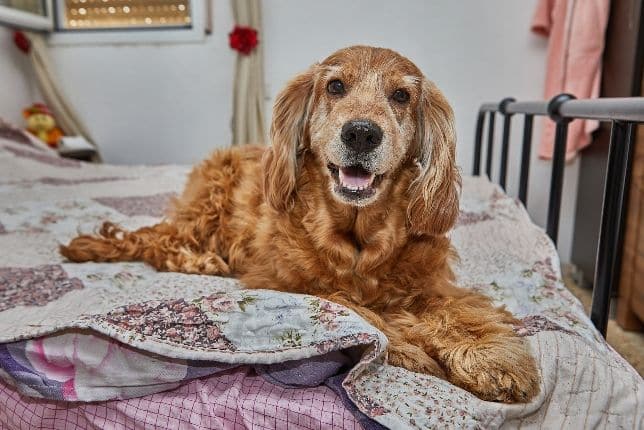
You picked out the perfect bed. Soft, supportive, and the right size. You set it down somewhere that felt logical and your dog or cat has barely touched it. Or worse, they sleep there every night but keep waking up stiff, restless, or sneezing. Where a pet sleeps matters far more than most owners realize. Poor pet bed placement tips get overlooked because the problem rarely looks like a problem at first. It looks like a quirky habit, a finicky cat, or a dog that just “sleeps light.” But the location of your pet’s bed directly affects their joint health, sleep quality, anxiety levels, and even their immune function over time. This guide breaks down the most common placement mistakes, why each one causes real harm, and exactly how to fix it starting today.
Spots That Seem Fine But Are Quietly Hurting Your Pet
Most bad bed locations are not obviously wrong. They are chosen with good intentions and look perfectly reasonable at first glance. That is what makes them so easy to miss.
Direct cold air from vents or drafts. Placing a bed beneath an air conditioning vent or near a drafty window exposes your pet to a constant stream of cold air throughout the night. Dogs and cats lose body heat faster than humans when resting, and sustained cold drafts can aggravate joint stiffness, trigger respiratory irritation, and disrupt deep sleep cycles. An estimated 65% of dogs over age seven show some degree of arthritis, and cold sleeping surfaces or drafty environments can noticeably worsen their discomfort overnight.
High-traffic hallways and doorways. A bed placed in a hallway gets walked past constantly. Every footstep, door opening, and household shuffle interrupts your pet’s rest. This is particularly damaging for anxious animals, who use sleep to regulate stress hormones. A pet that cannot achieve uninterrupted rest accumulates fatigue and may begin showing behavioral signs, including irritability, hypervigilance, or reduced appetite.
Right next to the food or water bowl. This feels convenient, but pets instinctively avoid sleeping where they eat. The proximity creates a low-level stress signal, especially in multi-pet households where resource guarding can make eating areas feel tense. Many pets placed here will abandon the bed entirely and find their own spot elsewhere in the home.
The laundry room or utility space. Washers and dryers produce vibration, heat fluctuations, and sudden loud noise during spin cycles. These are exactly the kinds of unpredictable stimuli that spike cortisol in pets. Dogs placed in utility rooms for sleeping often develop noise sensitivity or generalized anxiety over time, a pattern that is easy to attribute to the dog’s personality rather than the environment causing it.
The Signs Your Pet’s Sleep Spot Is the Problem
Recognizing that a location is wrong often requires reading subtle cues rather than obvious ones. If you notice any of these signs, contact your veterinarian promptly.
- Waking frequently through the night — not caused by needing water or a bathroom trip, but by environmental disturbance or discomfort
- Stiffness when getting up from the bed — especially pronounced in the morning, which can signal that the sleeping surface or temperature is aggravating underlying joint issues
- Abandoning the bed entirely — pets do not discard a comfortable, well-placed bed without reason; relocation to a hard floor often signals temperature regulation issues or noise stress
- Recurring sneezing or watery eyes after rest — placement near dusty corners, HVAC returns, or moldy baseboards can trigger persistent mild respiratory symptoms
- Restlessness, pacing, or circling before settling — a dog sleeping location problems pattern often linked to lack of perceived safety or privacy in the chosen spot
One common observation from veterinary practice: owners assume a dog waking and relocating in the night is separation-seeking behavior, when the actual driver is that the bed is positioned near a window where ambient light, outside sounds, or temperature shifts make sound sleep impossible.
Where Pets Actually Sleep Best: What the Fix Looks Like
Correcting a bad placement does not require a home renovation. In most cases, moving the bed a few feet resolves the problem within days.
- Choose a low-traffic corner. The best spot for pet bed placement is a quiet corner of a room your pet already gravitates toward. Against a wall on two sides creates a sense of security without isolation.
- Keep it off the direct floor in cold climates. Elevated beds or beds with foam bases prevent cold floor temperatures from radiating upward through the night critical in older pets with stiff joints.
- Avoid proximity to exterior walls in winter. Exterior walls conduct cold significantly more than interior walls. This matters most in colder months when Glen Allen, VA, temperatures drop overnight.
- Position away from windows facing outdoor activity. Squirrels, foot traffic, and passing cars trigger alert responses that pull a pet out of deep sleep repeatedly through the night.
- Test the spot yourself first. Lie down or sit at floor level for two minutes. Notice sound levels, air temperature, light exposure, and foot traffic. What you notice is your pet experiences for eight hours straight.
- Give the new location three to five days. Pets are habitual. They may return to the old spot initially. Gently redirect. Most will fully transition within a week.
Why Humidity, Mold, and Air Quality Matter More Than You Think
There is a placement problem most owners never think to check: air quality at floor level. Beds placed near exterior walls, in basement spaces, or in rooms with poor ventilation can sit in zones of elevated humidity and mold spore concentration. Pets breathe and sleep at floor level far longer than any human spends time there, making them significantly more exposed to whatever exists in that air column.
Safe sleep environment pets need includes checking that the bed is not positioned near any visible mold, musty baseboards, or HVAC returns that pull unfiltered air directly over the sleeping area. In Virginia’s humid late summers and early falls, this is a genuinely common issue in homes without strong ventilation on lower floors. Respiratory irritation, chronic sneezing, and eye discharge that vets see seasonally are often tied to sleeping environment rather than outdoor allergens alone.
This is also where dog sleeping location problems overlap with health: if your pet is showing mild but persistent symptoms and you cannot identify an obvious cause, the sleep environment is a legitimate diagnostic starting point. Consistent veterinary care for dogs includes reviewing lifestyle factors like this during wellness visits it is not just about vaccines and bloodwork.
How to Choose the Right Permanent Spot Going Forward
Once you move the bed, the goal is to lock in a location that works long-term rather than cycling through another round of trial and error.
Look for a spot that meets all five of these conditions: consistent temperature, low noise exposure, minimal foot traffic, natural light that dims at night, and easy access without the pet having to cross high-activity zones to reach it. Cats additionally benefit from elevation options nearby a bed at floor level near a cat tree or low shelf, giving them the choice to sleep higher when they want to.
Think about life-stage changes too. A puppy may sleep anywhere without complaint. The same dog at ten years old, with developing joint sensitivity, needs a warmer, more sheltered placement and a more supportive surface. Revisit the bed location any time your pet enters a new life stage or after a significant health event. Short Pump Animal Hospital can help you identify whether your pet’s sleep disruptions have an environmental or a medical root cause during a routine wellness exam.
Conclusion
Your pet spends more time in their bed than almost anywhere else. That location deserves the same attention you would give to their food or exercise routine. Moving a bed to the right spot costs nothing and can meaningfully improve sleep quality, joint comfort, and daily mood. Apply the fixes in this guide today and watch how quickly your pet responds. For persistent restlessness, stiffness, or symptoms that do not resolve after improving the sleep environment, reach out to your veterinarian for a full evaluation. The right sleep setup and the right medical support together give your pet the best foundation for a healthy, comfortable life. Book an appointment at our animal hospital today.
Frequently Asked Questions
Q: What is the worst place to put a dog’s bed?
Ans: The worst locations are directly under air conditioning vents, in high-traffic hallways, next to food bowls, and in utility rooms with washers or dryers. These spots expose dogs to cold drafts, noise disruption, stress from foot traffic, and sudden loud vibrations that prevent restful sleep and can worsen joint problems over time.
Q: Why does my dog keep leaving their bed to sleep on the floor?
Ans: Dogs typically abandon their bed when it is too warm, placed in a stressful or noisy location, or when the sleeping surface does not offer the right support. If your dog consistently chooses hard flooring, try moving the bed to a quieter, cooler corner and check whether the mattress firmness is appropriate for their age and size.
Q: Can a bad sleep location make my pet sick?
Ans: Yes. Beds placed near moldy walls, dusty HVAC returns, or poorly ventilated corners can expose pets to allergens and mold spores at floor level for hours each night. This can cause or worsen chronic sneezing, eye discharge, and respiratory irritation. If symptoms persist after improving the sleep environment, schedule a veterinary visit.
Q: How do I know if my pet’s bed placement is causing sleep problems?
Ans: Watch for these signs: waking frequently through the night, morning stiffness when rising, abandoning the bed for the floor, circling or pacing before settling, and persistent mild respiratory symptoms. These behaviors often point to an environmental issue with the sleep location rather than a medical condition.
Q: Where is the best place to put a pet bed in a bedroom?
Ans: Place the bed in a quiet corner away from windows, exterior walls, and foot traffic paths. Two interior walls is ideal for a sense of security. Keep it away from direct airflow from vents and out of areas where ambient light from outdoors can shine in during early morning hours, which disrupts sleep in both dogs and cats.