

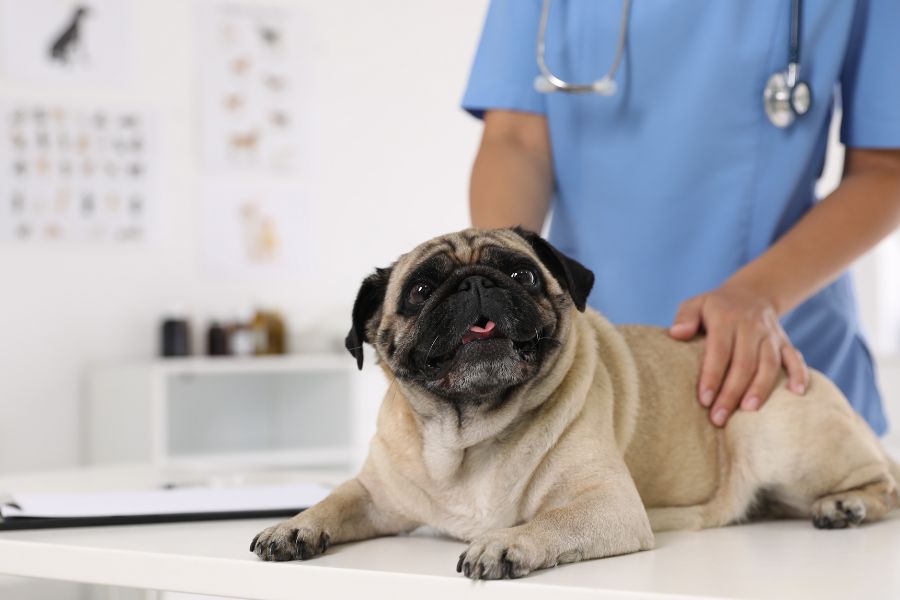
If you’ve ever wondered whether your pet really needs a yearly vet visit, you’re not alone. One of the most common questions we hear from pet owners in our area is: “My pet seems perfectly healthy, so do they still need to come in?” The answer is yes, and the reason matters more than you might think. A consistent pet wellness exam schedule is one of the most powerful tools you have for keeping your pet healthy for years to come. Wellness exams allow veterinarians to catch problems before symptoms appear, update critical preventive care, and build a health baseline for your pet over time. This guide walks you through exactly how often your dog, cat, or senior pet should be seen, and what to expect at every stage of their life.
What Is a Pet Wellness Exam and Why Does It Matter?
A wellness exam is a comprehensive head-to-tail physical evaluation performed by a licensed veterinarian. It is not simply a vaccine appointment. During a wellness visit, your vet checks your pet’s eyes, ears, teeth, coat, heart, lungs, lymph nodes, abdomen, joints, and weight.
Wellness exams allow your vet to detect early signs of disease that pets cannot communicate. Animals instinctively hide pain and discomfort. By the time symptoms become obvious, a condition may already be progressing.
According to the American Veterinary Medical Association (AVMA), preventive care is the cornerstone of long-term pet health. Regular checkups reduce the risk of costly urgent treatments and help pets live longer, more comfortable lives. In our experience, the pets that come in consistently for wellness visits tend to have better long-term outcomes than those who only come in when something is wrong.
How Often Should Healthy Adult Pets Be Seen?
How often vet visits should happen depends largely on your pet’s life stage. For healthy adult dogs and cats between the ages of one and seven, a wellness exam once per year is the standard recommendation. This annual visit covers a physical exam, parasite screening, vaccine updates, and a discussion of nutrition and behavior.
Puppies and kittens need more frequent visits. During their first year of life, young pets typically need exams every three to four weeks until they are about four months old. These early visits establish a vaccination series, screen for congenital issues, and give new pet owners a chance to ask questions.
The annual vet checkup benefits go beyond vaccines. Your vet uses each visit to track changes in your pet’s weight, dental health, and organ function over time. A single visit gives a snapshot. A pattern of yearly visits tells a much richer story.
When Should Your Pet Be Seen More Often?
Not every pet fits neatly into the once-a-year schedule. Some animals need more frequent monitoring based on age, breed, or existing health conditions.
Signs your pet needs vet attention more often include:
- Chronic conditions like diabetes, kidney disease, or thyroid disease. These pets often need bloodwork every three to six months to monitor treatment effectiveness.
- Recent surgery or injury. Follow-up visits ensure healing is progressing as expected.
- Weight changes. Unexplained weight loss or gain is a meaningful clinical sign that warrants a recheck.
- Behavioral shifts. Increased thirst, house soiling, or sudden aggression can all point to underlying health changes.
- Senior pet status. Pets over the age of seven, especially large breed dogs, age more quickly and benefit from exams twice per year.
Pet owners often tell us they noticed something “a little off” weeks before they brought their pet in. Trust that instinct. A pet preventive care visit is always better scheduled early rather than late.
What Happens During a Wellness Exam?
At our animal hospital in Glen Allen, every wellness visit is thorough and built around your specific pet’s needs. Here is what you can expect:
- Weight and vitals check. We record weight, temperature, heart rate, and respiratory rate at the start of every visit.
- Full physical exam. Your veterinarian performs a complete nose-to-tail evaluation, looking for any changes since the last visit.
- Parasite screening. We test for heartworm, intestinal parasites, and tick-borne diseases based on your pet’s lifestyle and risk factors.
- Dental assessment. We evaluate your pet’s teeth and gums and discuss whether a professional cleaning is needed.
- Vaccine review. We update vaccines based on your pet’s current health and lifestyle, following AAHA vaccine guidelines.
- Nutritional and behavioral discussion. We ask about diet, exercise, and any changes in routine or behavior.
- Bloodwork (if indicated). For senior pets or those with known health concerns, bloodwork gives us a critical look at organ function.
Every exam ends with a conversation. We want you to leave with clear answers and a plan you understand.
Senior Pet Wellness: Why Twice a Year Makes a Difference
Pets age much faster than people. A seven-year-old dog is roughly equivalent to a middle-aged adult. By age ten or eleven, they are entering their senior years. The annual vet checkup benefits that apply to younger pets become even more critical as your pet ages, because the window between early detection and serious illness gets shorter.
We frequently remind our clients that conditions like kidney disease, hyperthyroidism in cats, and arthritis in dogs can be managed very effectively when caught early. The challenge is that these conditions often develop silently. A pet may feel fine to you while their bloodwork tells a very different story.
The AAHA Senior Care Guidelines recommend wellness exams every six months for dogs and cats over the age of seven. Semi-annual visits allow your vet to run bloodwork, track organ function, and adjust medications or supplements before problems escalate. How often vet visits happen for senior pets directly affects the quality of life and longevity.
In Virginia, we also see a meaningful uptick in tick-borne disease exposure during warmer months. Senior pets with compromised immune systems are especially vulnerable. Regular screening keeps them protected year-round.
Conclusion
Staying on top of your pet’s pet wellness exam schedule is one of the simplest and most effective things you can do as a pet owner. Whether your companion is a playful puppy, a healthy adult dog, or a senior cat entering their golden years, regular wellness visits give your veterinarian the information needed to keep them feeling their best. A pet preventive care visit costs far less, in both time and money, than treating a condition that went undetected for too long. Do not wait for a problem to show up. At Short Pump Animal Hospital, we are here to partner with you through every stage of your pet’s life. Book an appointment today.
Frequently Asked Questions
How often should a healthy adult dog have a wellness exam?
Ans: Healthy adult dogs between the ages of one and seven should have a wellness exam once per year. This annual visit includes a physical exam, vaccine updates, parasite screening, and a discussion of weight, diet, and behavior. Dogs with chronic health conditions may need more frequent visits based on your veterinarian’s recommendation.
At what age should my cat start having more frequent vet visits?
Ans: Cats over the age of seven are considered seniors and benefit from wellness exams every six months. As cats age, they become more prone to conditions like hyperthyroidism, kidney disease, and dental disease, many of which develop without obvious symptoms. More frequent visits allow your vet to detect and manage these changes early.
What is included in a wellness exam for pets?
Ans: A standard wellness exam includes a full physical evaluation of your pet’s eyes, ears, teeth, heart, lungs, abdomen, joints, coat, and lymph nodes. It also covers weight and vitals, parasite screening, vaccine review, and a nutritional and behavioral check-in. Bloodwork may also be recommended depending on your pet’s age and health history.
Do puppies and kittens need more frequent wellness visits?
Ans: Yes. During the first year of life, puppies and kittens typically need exams every three to four weeks until around four months of age. These early visits establish a vaccine series, screen for developmental issues, and help new pet owners build a strong foundation for their pet’s long-term health.
Why does my pet need a wellness exam if they seem healthy?
Ans: Pets instinctively hide signs of pain and illness. By the time symptoms become visible, a health condition may already be well advanced. Wellness exams allow veterinarians to detect changes in organ function, weight, dental health, and more before problems become serious. Preventive care is significantly more affordable and less stressful than specialist treatment.