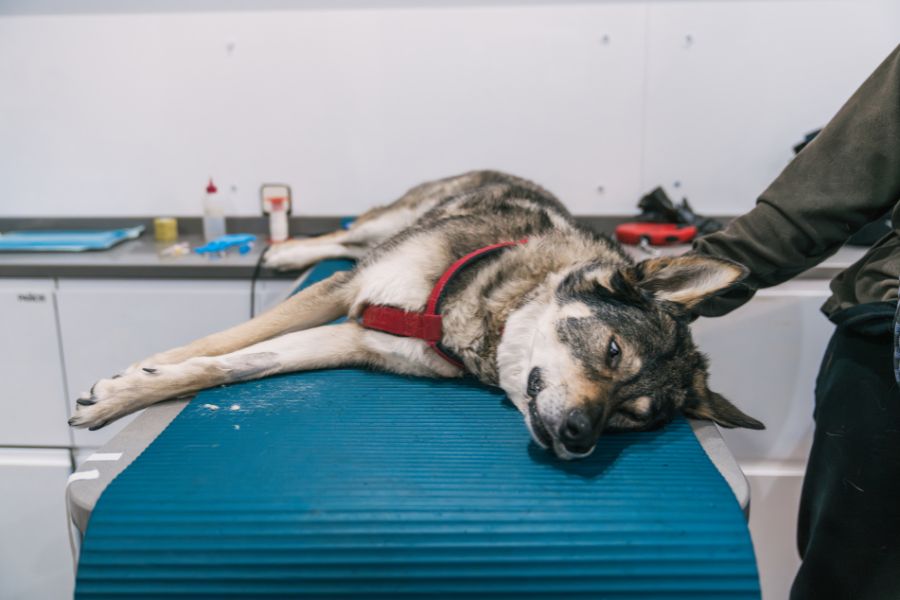

Anemia in dogs is more common than most pet owners realize, and it can be easy to miss in its early stages. Your dog may seem a little tired, a little off, and you might chalk it up to the heat or a long day. But when a dog’s body isn’t producing enough red blood cells, or is losing them faster than it can replace them, the effects on their health can be serious. This article explains what anemia is, how to spot it early, what causes it, and exactly how veterinarians diagnose and treat it. Whether your dog is showing subtle symptoms or you just want to be informed, understanding anemia in dogs could help you catch a problem before it becomes a crisis.
What Is Anemia in Dogs and How Common Is It?
Anemia is not a disease on its own. It is a condition that occurs when a dog’s red blood cell count or hemoglobin level drops below normal. Red blood cells carry oxygen from the lungs to every organ and tissue in the body. When there aren’t enough of them, the body struggles to function properly.
Anemia is estimated to affect a significant percentage of dogs at some point in their lives, particularly senior dogs and those with chronic illness. It can develop slowly over weeks or appear suddenly after an injury or acute illness. The underlying cause determines how serious the condition is and how quickly it must be treated.
There are three main reasons a dog becomes anemic. First, the body may not be producing enough red blood cells. Second, red blood cells may be destroyed faster than normal. Third, the dog may be losing blood through internal or external bleeding. Each category points to a different set of causes and requires a different treatment approach.
Signs of Anemia in Dogs You Should Know
Recognizing the signs early can make a meaningful difference in your dog’s outcome. Many of these symptoms are subtle at first, which is why pet owners often don’t connect them to a blood problem.
Common signs to watch for include:
- Pale or white gums: Healthy dog gums are pink. Pale, white, or grayish gums are one of the most telling signs of low red blood cells in dogs and should prompt an immediate vet visit.
- Lethargy and weakness: A dog that tires easily on walks or seems unusually low-energy may not be getting enough oxygen to their muscles.
- Rapid or labored breathing: The body compensates for low oxygen by breathing faster.
- Reduced appetite: Anemic dogs often lose interest in food as the condition progresses.
- Collapse or fainting: In severe cases, a dog may suddenly collapse, particularly after physical exertion.
If you notice any of these signs, contact your veterinarian promptly. In our experience, pet owners who catch pale gums early give their dogs a much better chance at a fast recovery. Dog pale gum symptoms should never be dismissed as “just tiredness.”
What Causes Anemia in Dogs?
Understanding why anemia develops helps explain why treatment isn’t one-size-fits-all. The causes vary widely, from parasites to autoimmune disease to nutritional gaps.
Common causes include:
- Fleas, ticks, and intestinal parasites: Heavy infestations can drain enough blood to cause anemia, especially in puppies and small dogs. In Virginia, tick exposure is a year-round concern given the state’s temperate climate and wooded suburban areas.
- Autoimmune hemolytic anemia (IMHA): The immune system mistakenly attacks and destroys the dog’s own red blood cells. This is one of the more serious forms.
- Chronic disease: Kidney disease, liver disease, and cancer can all suppress red blood cell production over time.
- Toxin ingestion: Substances like garlic, onions, zinc, and certain medications can destroy red blood cells.
- Trauma or internal bleeding: Injuries, tumors, or gastrointestinal ulcers can cause rapid blood loss.
One of the most common questions we get from pet owners is whether anemia can happen without any visible injury or bleeding. The answer is yes, and that’s exactly why diagnostic testing matters so much.
How Do Vets Diagnose Anemia in Dogs?
Veterinarians diagnose anemia in dogs through a combination of physical examination and targeted laboratory testing.
The first step is a complete blood count (CBC), which measures red blood cell levels, white blood cell count, and platelet numbers. A packed cell volume (PCV) test is often run alongside it to measure the percentage of red blood cells in the bloodstream. Results below normal ranges confirm anemia and give the vet a clearer picture of its severity.
From there, additional tests help identify the cause. A blood smear allows the vet to examine red blood cell shape under a microscope, which can reveal destruction or abnormalities. A biochemistry panel checks organ function. Urinalysis, fecal testing, and imaging such as X-rays or ultrasound may follow depending on what the bloodwork shows. Thorough diagnostic care for dog anemia is essential because treating the symptom without finding the root cause rarely leads to lasting improvement.
How Vets Treat Anemia in Dogs
Treatment depends entirely on what is causing the anemia and how severe it has become.
For mild anemia with an identifiable cause, treatment often focuses on resolving that underlying issue. Parasite infestations are treated with appropriate dewormers or flea and tick control. Nutritional deficiencies are corrected with dietary changes or supplements under veterinary guidance.
For more serious cases, treatment may involve:
- Blood transfusion: Used when red blood cell levels fall to dangerous levels and the dog needs immediate oxygen-carrying support.
- Immunosuppressive medications: Prescribed for autoimmune hemolytic anemia to stop the immune system from attacking red blood cells.
- Surgery: Required if internal bleeding from a tumor or injury is identified.
- Supportive care: IV fluids, oxygen therapy, and hospitalization for monitoring while the underlying cause is treated.
Pet owners often tell us they’re surprised by how involved the treatment process can be. The goal is always to stabilize the dog first, then address the reason the anemia developed. Low red blood cells in dogs rarely resolve on their own, and delaying care allows the condition to worsen.
Recovery timelines vary. A dog with parasite-related anemia may rebound within a few weeks. A dog with autoimmune disease or cancer may need ongoing management for months or longer. Regular recheck bloodwork is standard to confirm the red blood cell count is trending in the right direction.
At Short Pump Animal Hospital, our team evaluates each case individually and builds a treatment plan based on the dog’s specific diagnosis, age, and overall health.
How to Support Your Dog During Anemia Recovery
Once a diagnosis is made and treatment begins, your role at home matters. Here are practical steps to support your dog’s recovery:
- Restrict activity: Limit walks and play until your vet clears the dog for normal exercise. Overexertion puts extra demand on an already-stressed cardiovascular system.
- Follow medication schedules precisely: For dogs on immunosuppressive drugs, timing and dosage are critical. Never adjust or stop medication without veterinary guidance.
- Monitor gum color daily: Checking your dog’s gums each day gives you an early warning if the condition is worsening between vet visits.
- Feed a high-quality, balanced diet: Your vet may recommend specific foods or supplements to support red blood cell production during recovery.
- Keep all follow-up appointments: Recheck bloodwork is not optional. It confirms whether treatment is working and guides any adjustments.
We frequently remind our clients in Glen Allen that recovery from anemia is a process, not an event. Consistent follow-through at home, combined with regular monitoring, makes a genuine difference in outcomes.
Conclusion
Anemia in dogs is a serious but treatable condition when caught and addressed at the right time. The key is recognizing the signs, acting quickly, and working with a veterinarian to find the root cause rather than just managing symptoms. Whether your dog is showing dog-pale gums symptoms, unusual fatigue, or something else that feels off, trust your instincts and get them evaluated. With the right care and follow-through, most dogs recover well. Short Pump Animal Hospital is here to help you navigate every step of your dog’s diagnosis and treatment. Book an appointment today.
Frequently Asked Questions
Q: What are the first signs of anemia in dogs?
Ans: The earliest signs are often pale or white gums, unusual tiredness, and reduced interest in food. Some dogs also breathe faster than normal as the body tries to compensate for lower oxygen levels. If you notice any of these changes, schedule a vet visit right away.
Q: Can anemia in dogs go away on its own?
Ans: In most cases, anemia does not resolve without treatment. Mild anemia from a dietary deficiency may improve with nutritional changes, but the underlying cause must be identified and addressed. Delaying care allows the condition to worsen.
Q: How is anemia diagnosed in dogs?
Ans: Veterinarians use a complete blood count (CBC) and packed cell volume (PCV) test to confirm anemia. Additional testing such as a blood smear, biochemistry panel, fecal exam, and imaging may follow to identify the cause.
Q: Is anemia in dogs life-threatening?
Ans: It can be, particularly in severe cases or when caused by autoimmune disease, internal bleeding, or cancer. Dogs with critically low red blood cell levels may need a blood transfusion to stabilize them. Early detection significantly improves outcomes.
Q: What should I feed a dog with anemia?
Ans: A balanced, high-quality diet supports red blood cell production, but specific dietary recommendations depend on the cause of the anemia. Always consult your veterinarian before making changes to your dog’s diet or adding supplements.