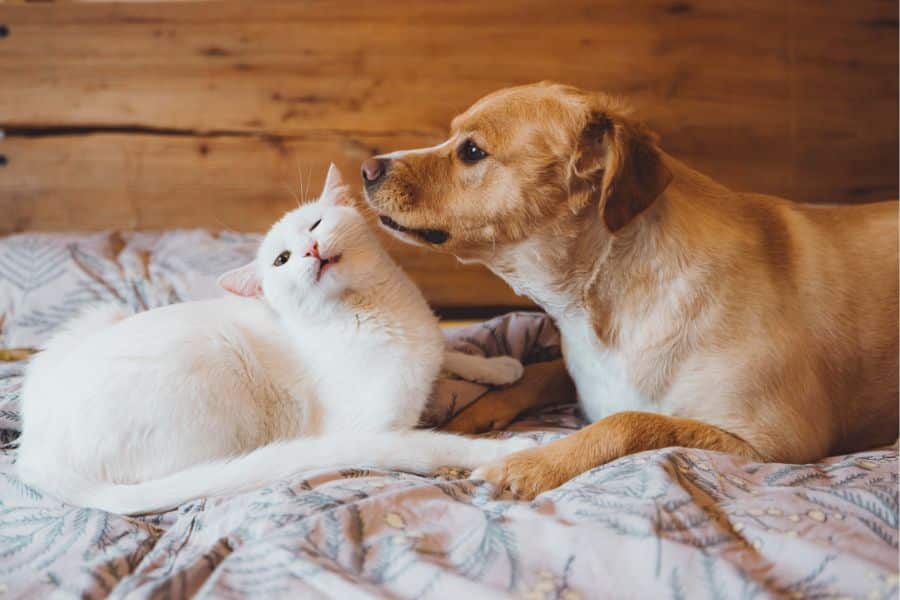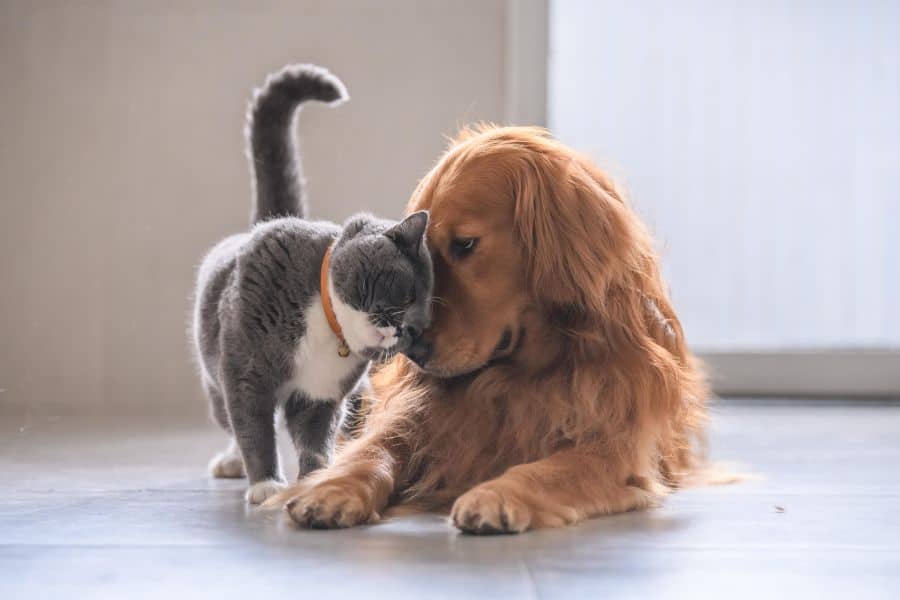

Most pet owners know the importance of protecting themselves from the sun, but many are surprised to learn that pets can get sunburned too. Dogs and cats with light-colored fur, pink skin, thin coats, or short hair are especially vulnerable to the sun’s harmful ultraviolet (UV) rays. Just like people, pets can experience painful skin damage from prolonged sun exposure.
In this guide, we’ll explain why pet sunburn is a real concern, which pets are most at risk, how to recognize the signs of sun damage, and veterinarian-recommended ways to keep your furry companion safe throughout the summer. Taking a few preventive steps can help protect your pet’s skin and support their long-term health.
Can Dogs and Cats Really Get Sunburned?
While fur provides some natural protection, certain areas of the body often remain exposed to UV rays. Pets with light-colored coats, sparse fur, or naturally thin hair coverage are especially susceptible to sunburn.
Common areas affected by sunburn include:
- Nose
- Ear tips
- Eyelids
- Belly
- Groin area
- Areas with thin or missing fur
Repeated exposure to intense sunlight can lead to painful burns and, in some cases, increase the risk of skin cancer.
Which Pets Are Most at Risk for Sunburn?
Although any pet can experience sun damage, some are more vulnerable than others.
Higher-Risk Pets Include:
- White or light-colored dogs
- White or light-colored cats
- Short-haired breeds
- Hairless breeds
- Pets with pink skin
- Pets recovering from surgery with shaved areas
- Senior pets with thinning coats
- Pets with skin conditions causing hair loss
These pets may require additional protection when spending time outdoors during sunny weather.
Why Sunburn Is More Than Just a Temporary Problem
Many people think of sunburn as a minor inconvenience, but repeated UV exposure can have long-term consequences for pets.
Potential complications include:
- Painful skin irritation
- Peeling skin
- Inflammation
- Secondary skin infections
- Chronic skin damage
- Increased risk of certain skin cancers
Protecting your pet’s skin is an important part of overall preventive healthcare.
Signs Your Pet May Have Sunburn
Sunburn symptoms can range from mild redness to more serious skin damage.
Common Signs of Pet Sunburn
Red or Pink Skin
Affected areas may appear unusually red or inflamed.
Sensitivity to Touch
Your pet may pull away or react when sensitive skin is touched.
Dry or Flaky Skin
Sunburned skin often becomes dry and begins to peel.
Hair Loss
Repeated sun exposure may contribute to thinning hair in affected areas.
Scabs or Sores
Severe sunburn can cause skin lesions that require veterinary evaluation.
Excessive Scratching or Licking
Pets may try to soothe irritated areas by scratching or licking.
Limit Outdoor Time During Peak Sun Hours
One of the simplest ways to prevent sunburn is to reduce direct sun exposure during the hottest and brightest parts of the day.
Best Times for Outdoor Activities
Consider scheduling walks, playtime, and exercise during:
- Early morning
- Late afternoon
- Evening hours
Try to avoid extended outdoor exposure between 10 a.m. and 4 p.m., when UV rays are typically strongest.
This approach also helps reduce the risk of overheating and heat-related illnesses.
Provide Plenty of Shade
Whenever pets spend time outdoors, access to shade is essential.
Good Shade Options Include:
- Covered patios
- Trees
- Pop-up canopies
- Covered porches
- Pet shade tents
Shade helps reduce direct UV exposure and provides a cooler environment during warm weather.
Even on cloudy days, UV rays can still reach your pet’s skin, so shade remains important.
Use Pet-Safe Sunscreen
For high-risk pets, sunscreen can provide valuable protection.
Important Guidelines
- Only use products specifically designed for pets.
- Never use human sunscreen unless approved by your veterinarian.
- Apply sunscreen to vulnerable areas such as:
- Nose
- Ear tips
- Belly
- Areas with sparse fur
Many human sunscreens contain ingredients that may be harmful if pets lick them.
Always consult your nearest veterinary clinic before introducing new skincare products.
Consider Protective Clothing
Lightweight protective clothing can help shield sensitive skin from UV rays.
Examples include:
- UV-protective pet shirts
- Lightweight sun suits
- Protective body coverings
These products are especially helpful for hairless breeds or pets with extensive areas of exposed skin.
Choose breathable materials to prevent overheating.
Be Mindful of Water and Reflective Surfaces
Many pet owners associate sunburn only with direct sunlight, but reflected UV rays can also contribute to skin damage.
Surfaces that increase UV exposure include:
- Water
- Sand
- Concrete
- Light-colored pavement
A day at the beach, lake, or pool can increase both sun exposure and the risk of sunburn.
Additional protection may be needed during outdoor summer adventures.
Special Considerations for Cats
Cats often spend time lounging in sunny windows or outdoor areas.
White cats, especially those with white ears and pink noses, are particularly prone to sun damage.
Tips for Protecting Cats
- Limit outdoor access during peak UV hours
- Provide shaded resting areas
- Consider pet-safe sunscreen if recommended
- Monitor ears and nose for changes
Regular skin checks can help identify early signs of irritation or damage.
When to Contact a Veterinarian
Mild sunburn may resolve with supportive care, but more significant cases require professional evaluation.
Schedule a veterinary visit if your pet develops:
- Severe redness
- Blisters
- Open sores
- Persistent skin irritation
- Excessive scratching
- Hair loss
- Changes in skin appearance
Early treatment can prevent complications and improve comfort.
The Importance of Routine Skin Exams
Regular veterinary wellness visits provide an opportunity to monitor your pet’s skin health throughout the year.
A veterinarian can:
- Identify early signs of sun damage
- Evaluate suspicious skin lesions
- Recommend preventive strategies
- Discuss pet-safe sun protection options
- Monitor long-term skin health
Routine examinations are particularly important for pets with known risk factors.
Additional Summer Safety Tips for Pets
Sun protection works best when combined with other warm-weather safety measures.
Summer Pet Care Essentials
- Keep fresh water available at all times
- Avoid hot pavement
- Monitor for signs of overheating
- Provide cool resting areas
- Never leave pets in parked vehicles
A comprehensive summer safety plan helps protect your pet from multiple seasonal risks.
Keep Your Pet Safe From the Summer Sun
Sunburn is a real and often overlooked health concern for dogs and cats, especially those with light-colored coats, pink skin, or short hair. By limiting sun exposure, providing shade, using veterinarian-approved sun protection, and monitoring for signs of skin damage, pet owners can help reduce the risk of painful burns and long-term complications.
Protecting your pet from the sun is an important part of keeping them healthy, comfortable, and safe throughout the summer months.
If you live in Glen Allen or nearby communities and have questions about protecting your pet from sunburn, skin irritation, or other seasonal health concerns, book an appointment with Short Pump Animal Hospital. Our veterinary team can provide personalized recommendations, evaluate your pet’s skin health, and help you create a summer care plan that keeps your furry companion protected all season long.
FAQs
Q1: Can dogs really get sunburned?
Ans: Yes. Dogs, especially those with light-colored fur, pink skin, or thin coats, can develop painful sunburn from prolonged UV exposure.
Q2: Are cats at risk for sunburn?
Ans: Yes. White cats and cats with pink noses or ears are particularly vulnerable to sun damage and may require extra protection.
Q3: Can I use human sunscreen on my pet?
Ans: Not usually. Many human sunscreens contain ingredients that may be harmful to pets. Always use veterinarian-approved pet-safe sunscreen products.
Q4: What areas of my pet are most likely to get sunburned?
Ans: Common areas include the nose, ear tips, eyelids, belly, groin, and any areas with thin or missing fur.
Q5: When should I contact a veterinarian about a pet sunburn?
Ans: You should seek veterinary care if your pet develops severe redness, blisters, sores, hair loss, persistent irritation, or signs of discomfort.