
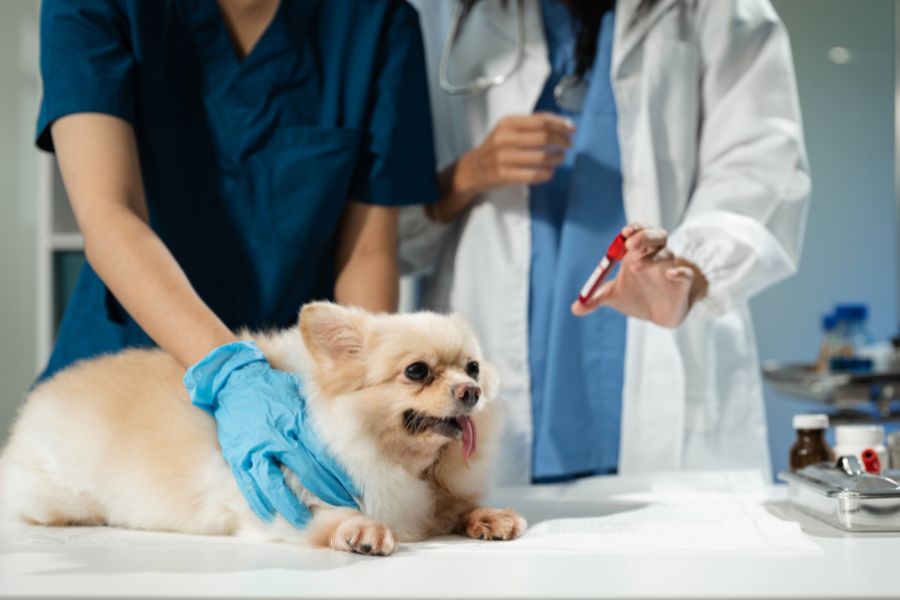
Your senior pet looks happy, eats well, and seems perfectly fine. So why would they need a blood test? The answer is simple: senior pet bloodwork finds problems before your pet shows symptoms. Most age-related diseases, including kidney disease, liver dysfunction, and diabetes, develop silently over months or even years. By the time visible signs appear, the condition is often advanced. Pets age faster than people, which means their health can shift significantly in just six to twelve months. In Virginia, we see this reality regularly in our exam rooms. An older dog that seemed healthy at one annual visit can show significant lab changes just a year later. Routine bloodwork gives you and your veterinarian a clear picture of what is happening inside your pet’s body, not just on the surface.
What Senior Pet Bloodwork Actually Measures
Senior pet bloodwork is a set of laboratory tests that evaluate how your pet’s internal organs are functioning. A standard panel typically includes a complete blood count and a comprehensive chemistry profile.
The complete blood count measures red blood cells, white blood cells, and platelets. These values reveal anemia, infection, inflammation, and certain cancers. The chemistry profile evaluates kidney function, liver enzymes, blood sugar, protein levels, electrolytes, and thyroid function in cats.
Together, these tests paint a detailed picture of your pet’s systemic health. Blood tests for older pets can also include a urinalysis, which adds important information about kidney filtering and early urinary disease. According to the American Animal Hospital Association, baseline bloodwork is a basis of senior pet wellness care.
How Often Should Senior Pets Have Bloodwork Done?
How often does a senior pet need bloodwork? Veterinarians generally recommend blood testing every six months for pets considered senior, which is typically age seven and older for dogs and cats.
Pets age much faster than humans, so a six-month window for a twelve-year-old dog is equivalent to roughly two human years. A lot can change in that time. Some pets with known chronic conditions, such as kidney disease or hyperthyroidism, may need testing every three months to track disease progression and adjust treatment.
In our experience, pet owners are often surprised to learn that once-yearly bloodwork may not be enough for an aging pet. Annual visits are still important, but splitting blood tests into two visits per year gives your veterinarian far more data to catch trends early. Catching a gradual rise in kidney values over six months is far more actionable than discovering advanced disease at the one-year mark.
Signs That Your Senior Pet May Need Bloodwork Right Away
Should you wait for the scheduled appointment, or does your pet need bloodwork sooner? If you notice any of the following signs, contact your veterinarian promptly.
- Increased thirst or urination: This can signal kidney disease, diabetes, or Addison’s disease.
- Unexplained weight loss: Especially in cats, this is often the first visible sign of hyperthyroidism or diabetes.
- Lethargy or weakness: A sudden drop in energy can point to anemia, infection, or organ dysfunction.
- Vomiting or diarrhea lasting more than 24 hours: These symptoms can reflect liver or kidney stress.
- Changes in appetite: Both increased and decreased appetite in older pets warrant investigation.
- Pale gums: This is a red flag for anemia or internal bleeding.
Many pets we see in Glen Allen show these signs for weeks before owners connect them to a potential internal health issue. Pet owners often tell us they assumed their pet was “just slowing down with age.” Sometimes that is true. But often, there is a treatable condition driving the change.
What Happens When Bloodwork Catches Something Early
Early disease detection in pets is one of the most powerful tools veterinary medicine offers senior pet owners. When kidney disease is caught in its earliest stage, dietary changes and increased hydration can slow the progression significantly. When hyperthyroidism in cats is identified early, medication or radioactive iodine therapy can return quality of life to near-normal levels.
Senior dog health screening that includes bloodwork allows your vet to establish a baseline while your pet is healthy. Future tests are then compared against that individual baseline, not just a generic population average. This makes it far easier to spot meaningful shifts in values that might otherwise fall within the broad “normal” range.
One common misconception we hear is that bloodwork is only necessary when a pet is sick. In reality, the entire purpose of routine blood testing in senior pets is to find illness before symptoms appear. Waiting until your pet is visibly unwell often means waiting until treatment options are more limited and recovery is harder.
The American Veterinary Medical Association supports regular wellness screening as a core part of preventive care for aging pets.
What to Expect During a Senior Wellness Blood Draw
The process is simple and takes only a few minutes. Here is what typically happens:
- Your veterinarian performs a physical exam first, checking weight, heart rate, lymph nodes, and coat condition.
- A small amount of blood is drawn, usually from a vein in the neck or front leg.
- The sample is analyzed, either in-house or sent to an external lab.
- Your veterinarian reviews the results and contacts you, often within 24 to 48 hours for external labs.
- If values are outside the normal range, your vet will discuss next steps, which may include follow-up testing or treatment.
Most senior pets tolerate the blood draw with minimal stress. If your pet is particularly anxious, let the team know in advance so they can plan accordingly. At Short Pump Animal Hospital, we take extra time with nervous senior patients to make the experience as calm as possible.
Cat bloodwork frequency should match the same schedule as dogs. Cats are especially skilled at hiding illness, making twice-yearly blood panels particularly important for older felines.
Conclusion
Your senior pet deserves the best chance at a healthy, comfortable later life. Senior pet bloodwork is one of the most effective tools available to protect the quality of life. It finds problems early, guides treatment decisions, and gives you peace of mind. In Virginia, our aging pet population faces the same health risks seen nationwide, including kidney disease, diabetes, hyperthyroidism, and cancer. Routine lab work helps your veterinarian catch these conditions when they are most manageable. Do not wait for symptoms to appear. Work with your veterinarian to set a twice-yearly blood testing schedule for your senior companion. Early detection saves lives, reduces treatment costs, and keeps your pet feeling well longer. Book an appointment today.
Frequently Asked Questions
At what age is a pet considered senior?
Ans: Most veterinarians consider dogs and cats senior at age seven. However, large and giant breed dogs often enter their senior years earlier, around age five or six. Your vet can help determine when senior wellness protocols are appropriate for your specific pet.
Can bloodwork detect cancer in pets?
Ans: A standard blood panel can reveal signs consistent with certain cancers, such as abnormal white blood cell counts or elevated liver enzymes. However, bloodwork alone cannot diagnose most cancers. It is a valuable screening tool that may prompt further imaging or biopsy when abnormalities are found.
What if my senior pet seems completely healthy?
Ans: That is exactly why routine bloodwork matters. Many serious conditions in older pets cause no outward symptoms in their early stages. A healthy-looking pet can still have rising kidney values or early thyroid dysfunction that bloodwork can catch long before symptoms appear.
Should a senior pet fast before bloodwork?
Ans: In most cases, yes. Your veterinarian will advise you to withhold food for eight to twelve hours before the appointment. This ensures accurate glucose and lipid readings. Water is typically fine to offer up until the appointment. Always follow your vet’s specific instructions before the visit.