A Healthy Start for Your Baby Feline
Bringing a kitten into your home is one of life’s most exciting and rewarding experiences. As a pet parent, it’s important to give your kitten the proper care and attention they need to grow into a healthy, happy adult cat. At Short Pump Animal Hospital, we’re committed to providing the best possible care for your new kitten, offering expert advice and compassionate support every step of the way. Whether you’re a first-time kitten owner or have had cats before, we’re here to help you provide the best start for your new furry family member.
Comprehensive Kitten Care for a Healthy Start
From the moment you bring your kitten home, proper care is essential to ensure their growth and well-being. At our animal hospital, we provide comprehensive kitten care that covers everything from their first check-up to routine vaccinations, socialization, nutrition, and preventive treatments. By giving your kitten the right care from the start, you’re setting them up for a long, healthy life as your loving companion.
When Should I Bring My Kitten to the Vet for Their First Check-up?
The first veterinary visit for your kitten should be scheduled within the first week of bringing them home. This early check-up is crucial in ensuring your kitten is healthy and free from any underlying conditions. Our veterinarians will perform a thorough examination, checking your kitten’s overall health and development. This visit will also include a discussion on vaccination schedules, deworming treatments, and recommendations for proper nutrition.
At this first appointment, it’s important to bring any records you have regarding your kitten’s background, such as the breeder’s information, vaccination history, or details about deworming treatments. This will help our veterinarians better understand your kitten’s specific needs and provide a tailored care plan.
The Importance of Early Veterinary Visits
Early veterinary visits play a key role in identifying and preventing potential health issues. When you bring your kitten in for their first visit, our veterinary team will carefully examine their eyes, ears, teeth, and joints to make sure everything is developing normally. We’ll also check their heart and lungs to rule out any underlying health conditions that could affect their long-term well-being.
Moreover, we’ll discuss any breed-specific health concerns and provide recommendations for vaccinations to protect your kitten from common diseases such as feline distemper, herpesvirus, and calicivirus. Your vet will also guide you on parasite prevention, as fleas, ticks, and worms are common issues that can affect kittens. Regular visits during your kitten’s early months are essential in keeping them healthy and preventing future problems.
Common Health Concerns in Kittens
While kittens are generally healthy, they are still vulnerable to certain common health concerns. Recognizing these issues early on can help prevent more serious complications later. Some of the most common health issues in kittens include:
- Parasites: Kittens are particularly susceptible to fleas, ticks, and worms, which can cause discomfort and health problems. Preventive treatments, such as flea control and deworming medications, are essential to keep your kitten parasite-free.
- Upper Respiratory Infections: Kittens may develop respiratory infections that cause sneezing, nasal discharge, and coughing. These infections are common but can usually be treated with veterinary care.
- Feline Leukemia Virus (FeLV): FeLV is a contagious virus that can affect your kitten’s immune system. Early testing is crucial to ensure their health and prevent the spread of the disease to other cats.
- Gastrointestinal Issues: Vomiting, diarrhea, and changes in appetite are common symptoms of gastrointestinal problems in kittens. If these symptoms persist, it’s important to consult your vet for a proper diagnosis and treatment.
Signs of a Healthy Kitten
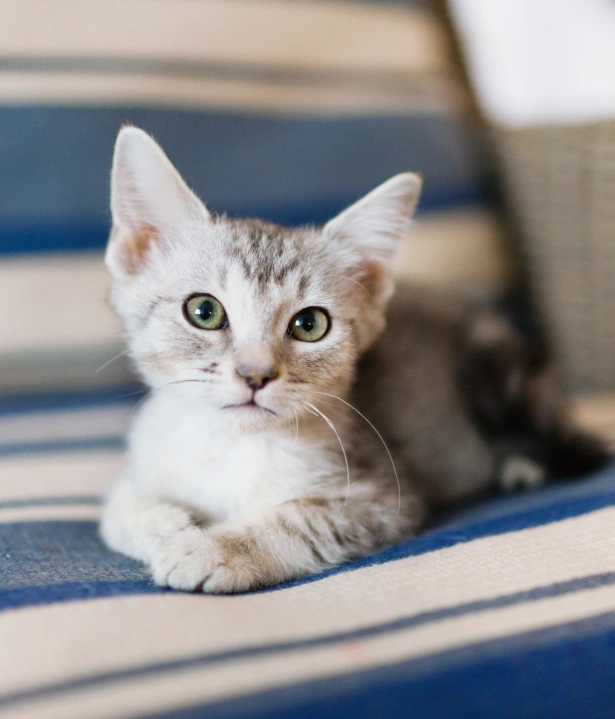
A healthy kitten will show several signs of good health. It’s important to keep an eye on these indicators to ensure your kitten is thriving. Some signs of a healthy kitten include:
- Bright, Clear Eyes: Healthy kittens have shiny, clear eyes without any redness or discharge.
- Energetic and Playful Behavior: Healthy kittens are full of energy and enjoy playing, exploring, and interacting with their environment.
- Healthy Coat and Skin: A healthy kitten will have a soft, shiny coat with no bald patches or signs of dryness or flakes.
- Steady Weight Gain: Your kitten should gain weight consistently and have a healthy appetite. If your kitten seems to be losing weight or is not eating, it’s important to consult your vet.
- Clean Ears and Nose: There should be no discharge or irritation in your kitten’s ears or nose. Clean ears indicate good health and hygiene.
Socialization and Training for Your Kitten
Socializing your kitten early on is critical to their emotional development. The first few months of your kitten’s life are the most formative, and how you interact with them during this period will influence their behavior and personality. At Short Pump Animal Hospital, we encourage early socialization by exposing your kitten to new people, pets, and environments. This helps them become confident, well-adjusted adults who are comfortable in a variety of situations.
In addition to socialization, it’s important to begin basic training as soon as possible. Litter box training is typically the first step, and your kitten should also start learning simple commands like “sit,” “stay,” and “come.” Keep training sessions brief (5-10 minutes) to match your kitten’s attention span, and always use positive reinforcement, such as treats and praise, to encourage good behavior.
At-Home Kitten Care
In addition to regular vet visits, there are several steps you can take at home to ensure your kitten stays healthy and happy:
- Provide a Nutritious Diet: Your kitten’s diet should consist of high-quality kitten food that supports their growth and development. Your veterinarian can help you choose the right food for your kitten’s age, breed, and health.
- Create a Safe Environment: Make sure your home is kitten-proofed to prevent any accidents. Keep hazardous substances like chemicals and small objects out of their reach.
- Exercise and Play: Kittens need plenty of exercise and mental stimulation to stay healthy. Interactive toys and playtime with you will help keep them active and engaged.
- Litter Box and Hygiene: Make sure your kitten has a clean litter box that’s easily accessible. Regularly clean the litter box to prevent any infections or discomfort.
Preventive Care for Your Kitten
Preventive care is one of the most important aspects of kitten care. In addition to regular vaccinations and parasite prevention, your kitten will need routine health checks to monitor their development and catch any potential issues early. Regular wellness exams allow our veterinarians to evaluate your kitten’s overall health and adjust their care plan as needed.
Set Your Kitten Up for a Healthy and Happy Life
Proper kitten care is essential for ensuring your new kitten’s long-term health and happiness. With early veterinary visits, proper nutrition, socialization, and preventive treatments, you’re giving your kitten the best start in life. At Short Pump Animal Hospital, we’re here to support you in providing the best care possible for your new furry family member.
If you’re in Glen Allen and looking for trusted kitten care, don’t hesitate to contact us today to schedule an appointment. We’re here to help you and your kitten every step of the way!
Frequently Asked Questions
Most cats can begin eating small amounts within 12–24 hours after surgery, provided they aren't nauseous. Follow the specific instructions from our veterinary team to ensure your cat’s recovery goes smoothly and they are comfortable post-surgery.
