Prioritize Your Dog’s Well-being With Regular Preventive Care
Preventive care is the cornerstone of a long, healthy life for your dog, and staying consistent with regular wellness visits and vaccinations can help prevent many serious health issues. At Short Pump Animal Hospital, our dedicated veterinary team provides high-quality preventive care for dogs in Glen Allen, aiming to catch potential problems early and maintain your dog’s well-being. If you’re in Glen Allen and do not want your pet to suffer from illness and discomfort, schedule an appointment, call us at 804-360-0100.
What is Preventive Care for Dogs, and Why is It Important?
This is essential to keeping them healthy and preventing serious health issues from developing over time. By proactively providing the necessary care, we help dogs lead longer, happier lives.
Preventive care includes:
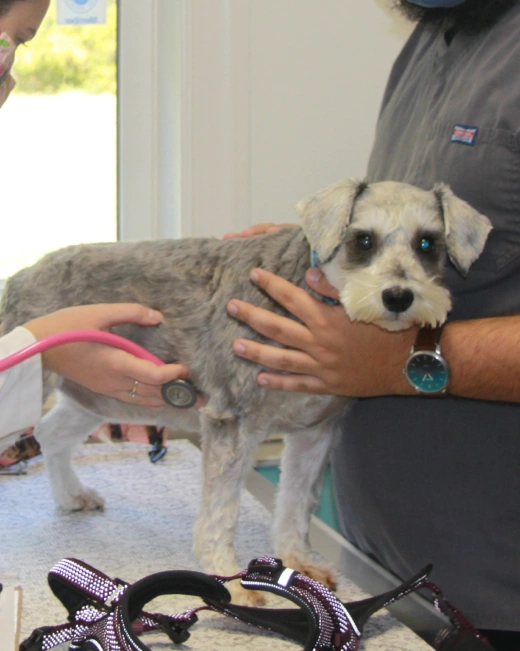
- Regular exams to monitor overall health
- Blood tests to detect underlying conditions
- Comprehensive wellness screenings
- Vaccinations to protect against various diseases
This allows veterinarians to identify and address issues early, preventing long-term damage and ensuring your dog stays in the best possible health.
What Preventive Care Can You Provide at Home?
As a pet parent, you can play an active role in your dog’s preventive care by ensuring they receive a balanced diet and regular exercise. A healthy diet is fundamental to your dog’s overall well-being, and our veterinarians can help guide you in choosing the right food based on your dog’s specific needs.
In addition to diet, regular exercise is key to your dog’s physical and mental health. Regular walks, playtime, and mental stimulation through interactive toys or training can all contribute to a healthy, happy life.
What Information Does Our Veterinarian Need to Know About Your Dog’s Lifestyle?
It’s important for us to understand your dog’s lifestyle in order to tailor the best preventive care plan for them. If your dog enjoys outdoor activities, such as running, hiking, or swimming, they may need specific treatments like flea and tick prevention. If your dog is more laid-back and spends most of its time indoors, they may need different vaccines or medications.
Discussing your dog’s daily routine, any changes in their behavior, or specific health concerns will help your veterinarian develop a personalized preventive care plan.
What Recommendations Will My Veterinarian Make Regarding My Dog’s Preventive Care Plan?
Depending on your dog’s breed, age, lifestyle, and health history, your veterinarian will provide personalized recommendations. For example, dogs kept outdoors may require additional vaccinations, flea and tick control, and parasite prevention.
If your dog is older or a larger breed, weight-management and joint-health supplements may be necessary. Regular dental exams are also highly recommended to prevent gum disease and other dental issues.
How Do I Keep My Dog Safe in the Car?
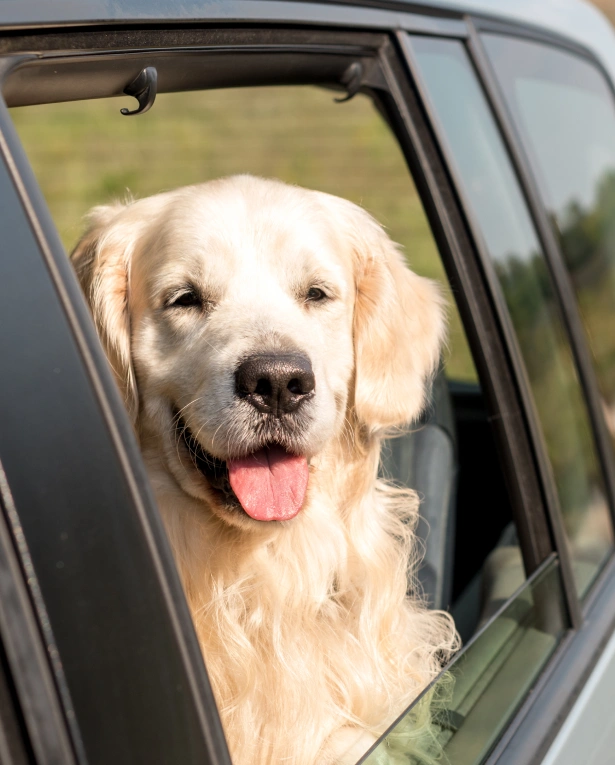
For your dog’s safety in the car, it’s important to secure them during the drive. Use a dog safety harness or a crate to ensure they are safely contained. This prevents distractions and reduces the risk of injury in the event of sudden stops or accidents.
Never allow your dog to sit on your lap while driving, as this can lead to dangerous distractions and put both you and your dog at risk.
Can My Dog Be Off-leash While Exercising?
While it’s natural for your dog to enjoy some freedom during exercise, it’s always safer to keep your dog on a leash in public spaces. Even well-behaved dogs can encounter unexpected hazards, such as other dogs, wildlife, or traffic. Only allow your dog off-leash in secure, enclosed spaces where they are safe, and you can maintain control.
Why Should You Keep My Dog on a Leash When in Public?
Leashing your dog in public is essential for both their safety and the safety of others. Even if your dog is friendly, there’s always the risk of an encounter with a fearful or aggressive dog. A leash ensures you can keep your dog under control and prevent any unexpected situations, such as running into traffic or being involved in a confrontation with another dog.
How Can You Keep My House and Yard Safe for Your Dog?
Pet-proofing your home and yard is important to ensure your dog stays safe. Avoid leaving harmful chemicals or toxic substances where your dog can access them. If you have a yard, ensure it’s securely fenced to keep your dog safe from wandering or encountering other animals.
Inside your home, make sure furniture and stairs are accessible to your dog without risk of injury. Use pet-friendly furniture ramps for small dogs and keep cleaning supplies safely out of their reach.
What Pesticides Are Harmful to Your Dog?
Certain pesticides, like rat poison, can be extremely harmful to dogs if ingested. Always store pesticides and other chemicals in secure locations where your dog cannot reach them. When applying pesticides around your home or yard, ensure the area is completely dry and safe before allowing your dog back in the area.
What Are Common Health Issues That Can Be Prevented With Our Wellness Care?
Preventive care helps protect your dog from several common health problems, including:
Core Vaccines:
- Rabies – A fatal disease that can be prevented with vaccination
- Parvovirus – Highly contagious and potentially deadly, but easily prevented
- Distemper – Can cause serious health issues, but vaccination can prevent it
- Canine Hepatitis (Adenovirus) – A viral infection affecting the liver, preventable through vaccination
- Leptospira (Leptospirosis) – A bacterial disease spread through contaminated water, preventable with vaccination
Non-Core Vaccines:
- Lyme Disease (Borrelia burgdorferi) – Preventable with tick control and vaccines
- Bordetella (Kennel Cough) – A highly contagious respiratory infection, especially common in dogs exposed to other dogs
- Canine Influenza – A contagious respiratory virus preventable through vaccination
In addition to vaccinations, preventive care such as heartworm prevention, flea control, and regular dental checkups helps protect your dog from health issues and ensures they remain in excellent condition.
At Short Pump Animal Hospital, we prioritize your dog’s health and well-being. If you have questions or would like to schedule an appointment for preventive care, feel free to give us a call. We’re here to help keep your dog happy and healthy!
Frequently Asked Questions
Regular veterinary visits are recommended at least once a year for adult dogs. Puppies and senior dogs may require more frequent check-ups. These visits ensure that any potential health issues are identified early and that your dog’s vaccinations and treatments are up-to-date.
