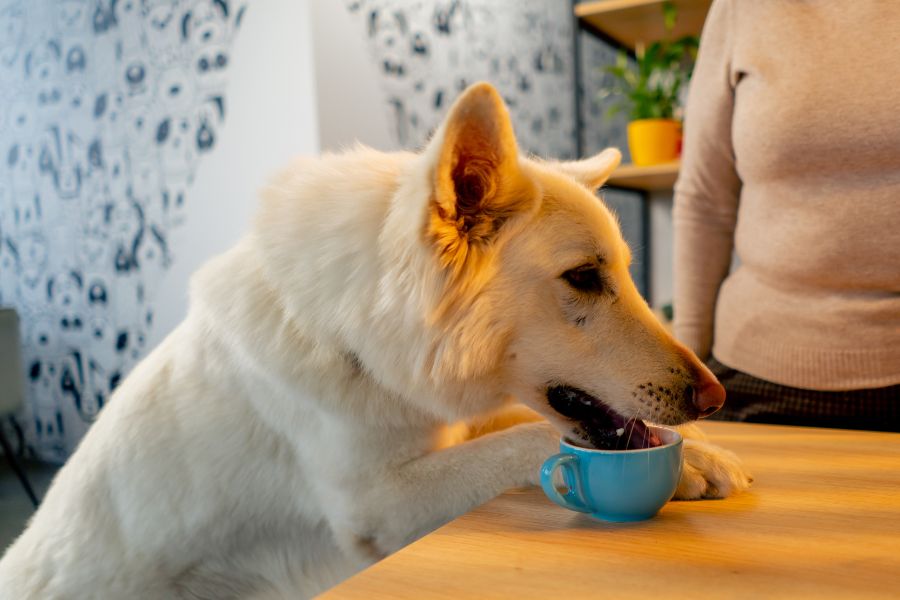
Sharing food with your furry friend can feel like a bonding moment—but not all human foods are safe for dogs. In fact, some everyday ingredients can harm their health. The good news? There are several vet-approved human foods you can share with your dog that are both safe and nutritious.
In this guide, we’ll break down the best dog-friendly foods, how to serve them properly, and what to avoid. Whether you’re a new pet parent or just looking to add variety to your dog’s diet, this article will help you make safe and healthy choices.
What Human Foods Are Safe for Dogs?
Not all human foods are off-limits. In moderation, some foods can provide essential nutrients, vitamins, and hydration for your dog. However, portion control and preparation are key.
Before sharing anything from your plate, remember:
- Always avoid seasoning, salt, and spices
- Introduce new foods slowly
- Watch for allergies or digestive upset
Let’s explore the top vet-approved options.
1. Cooked Lean Chicken
Plain, cooked chicken is one of the safest and healthiest human foods for dogs. It’s high in protein and easy to digest.
Benefits:
- Supports muscle growth
- Great for dogs recovering from illness
- Gentle on sensitive stomachs
Serving tip: Boil or bake without oil, salt, or spices. Remove all bones.
2. Carrots
Crunchy and naturally sweet, carrots are a great low-calorie snack.
Why they’re great:
- High in fiber and vitamin A
- Supports dental health by reducing plaque
- Ideal for weight management
Serving tip: Serve raw (cut into small pieces) or lightly steamed.
3. Apples (Without Seeds)
Apples are a refreshing treat packed with nutrients.
Benefits:
- Rich in vitamins A and C
- Helps freshen breath
- Provides hydration
Important: Always remove seeds and core before feeding.
4. Plain Rice
White or brown rice can help dogs with digestive issues.
Best for:
- Upset stomachs
- Temporary diarrhea
- Bland diet during recovery
Serving tip: Mix with boiled chicken for a simple, soothing meal.
5. Peanut Butter (Unsweetened)
Most dogs love peanut butter—but it must be xylitol-free.
Benefits:
- High in protein and healthy fats
- Great for training treats or enrichment toys
Warning: Avoid brands containing artificial sweeteners, especially xylitol, which is toxic to dogs.
6. Pumpkin (Plain, Cooked)
Pumpkin is a digestive powerhouse for dogs.
Why vets recommend it:
- Helps regulate digestion
- High in fiber
- Supports gut health
Serving tip: Use plain canned pumpkin or freshly cooked—no sugar or spices.
7. Blueberries
These small fruits are loaded with antioxidants.
Health benefits:
- Boost immune system
- Support brain health
- Low in calories
Perfect as a quick training treat or snack.
8. Green Beans
Green beans are a great addition to your dog’s diet.
Benefits:
- Low in calories
- High in fiber
- Supports weight control
Serving tip: Steam or serve raw, but avoid canned varieties with added salt.
9. Eggs (Cooked)
Eggs are highly nutritious when fully cooked.
Nutritional perks:
- Rich in protein
- Contains essential amino acids
- Supports skin and coat health
Important: Never feed raw eggs due to the risk of bacteria.
10. Sweet Potatoes
Sweet potatoes are a nutrient-dense carbohydrate source.
Why they’re healthy:
- High in fiber and vitamins
- Supports digestion
- Provides long-lasting energy
Serving tip: Cook thoroughly and serve plain, mashed, or cubed.
Foods You Should NEVER Share With Your Dog
While some human foods are safe, others can be dangerous or even fatal.
Avoid these at all costs:
- Chocolate
- Grapes and raisins
- Onions and garlic
- Alcohol
- Caffeine
- Avocado
If your dog accidentally eats any of these, contact a veterinarian immediately.
How Much Human Food Is Safe for Dogs?
Even vet-approved human foods should only make up a small portion of your dog’s diet.
General rule:
- Treats (including human food) should be no more than 10% of daily calories
Overfeeding human food can lead to:
- Obesity
- Nutritional imbalances
- Digestive problems
Tips for Feeding Human Foods Safely
To ensure your dog stays healthy while enjoying these treats, follow these guidelines:
- Introduce gradually: Start with small amounts
- Monitor reactions: Watch for vomiting, diarrhea, or itching
- Keep it simple: Avoid sauces, oils, and spices
- Stick to fresh ingredients: Processed foods often contain harmful additives
For pet owners in Glen Allen, seasonal fruits and vegetables from local markets can be a great way to provide fresh, safe treats for your dog.
When to Talk to Your Vet
Every dog is different. Factors like age, breed, weight, and medical conditions affect what they can safely eat.
If your dog has:
- Allergies
- Diabetes
- Kidney issues
- Sensitive digestion
If your dog shows any signs of health issues after eating human food, a diagnostic checkup by a veterinarian is highly recommended to identify any underlying concerns. At Short Pump Animal Hospital, pet owners in Glen Allen can get personalized dietary advice to ensure their dogs receive balanced nutrition along with safe treats.
Conclusion
Sharing food with your dog doesn’t have to be risky—as long as you choose wisely. These vet-approved human foods you can share with your dog offer a safe way to treat your pet while adding nutritional value to their diet.
Always remember moderation, proper preparation, and avoiding harmful foods are key to keeping your dog happy and healthy. If you’re unsure about your dog’s diet or want tailored advice, don’t hesitate to consult your local veterinarian. Schedule a visit to Short Pump Animal Hospital today and give your furry companion the care they deserve!
FAQs
Q1: What human food can dogs eat daily?
Ans: Plain foods like cooked chicken, rice, and certain vegetables like carrots can be given in small daily portions alongside regular dog food.
Q2: Can dogs eat fruits safely?
Ans: Yes, fruits like apples (without seeds) and blueberries are safe in moderation and provide vitamins and antioxidants.
Q3: Is peanut butter safe for all dogs?
Ans: Peanut butter is safe if it’s free from xylitol. Always check the ingredient label before feeding.
Q4: How do I know if a food doesn’t suit my dog?
Ans: Watch for signs like vomiting, diarrhea, itching, or lethargy after feeding new foods.
Q5: Can I replace dog food with human food?
Ans: No, human food should only be a supplement. Dogs need balanced nutrition from high-quality dog food formulated for their needs.