Fleas and ticks are more than just a seasonal nuisance. In Virginia’s mild climate, they can threaten your pet’s health year-round. Understanding proper flea and tick prevention is essential to keep your dog or cat comfortable and protected.
In this guide, we will explain how to prevent fleas and ticks in every season, review effective flea and tick treatment options, and share practical steps you can take at home to protect your pet long term.
Why Flea and Tick Prevention Is Necessary All Year
Many pet owners assume parasites disappear in winter. Unfortunately, that is not the case. In areas like Glen Allen, VA, temperatures often remain warm enough for fleas and ticks to survive outdoors. Even during colder months, fleas can thrive inside heated homes.
Health Risks of Fleas
Fleas reproduce rapidly. A single female flea can lay up to 50 eggs per day. Within weeks, a minor problem can become a full infestation.
Fleas can cause:
- Severe itching and skin infections
- Allergic dermatitis
- Hair loss
- Tapeworm infections
- Anemia in puppies and kittens
Health Risks of Ticks
Ticks are particularly dangerous because they transmit serious diseases. In Virginia, common tick species include the American dog tick and black-legged tick.
Ticks can spread:
- Lyme disease
- Ehrlichiosis
- Anaplasmosis
- Rocky Mountain spotted fever
These illnesses can lead to joint pain, fever, lethargy, and in severe cases, organ damage. Consistent flea and tick prevention significantly reduces these risks.
How Fleas and Ticks Live and Spread
Understanding the life cycle of these parasites helps you better prevent fleas and ticks.
Flea Life Cycle
Fleas go through four stages:
- Egg
- Larva
- Pupa
- Adult
Only adult fleas live on your pet. Eggs and larvae hide in carpets, bedding, cracks in flooring, and furniture. This is why environmental control is critical for effective flea and tick treatment.
Tick Life Cycle
Ticks also have multiple stages:
- Egg
- Larva
- Nymph
- Adult
Ticks attach to animals to feed on blood. They are commonly found in:
- Tall grass
- Leaf piles
- Wooded areas
- Backyards with wildlife activity
Even indoor pets are at risk if ticks hitchhike on clothing or other animals.
Signs Your Pet May Have Fleas or Ticks
Early detection makes treatment easier. Watch for these symptoms:
Signs of Fleas
- Excessive scratching or biting
- Red or irritated skin
- Small black specks, flea dirt
- Visible fleas moving through fur
Signs of Ticks
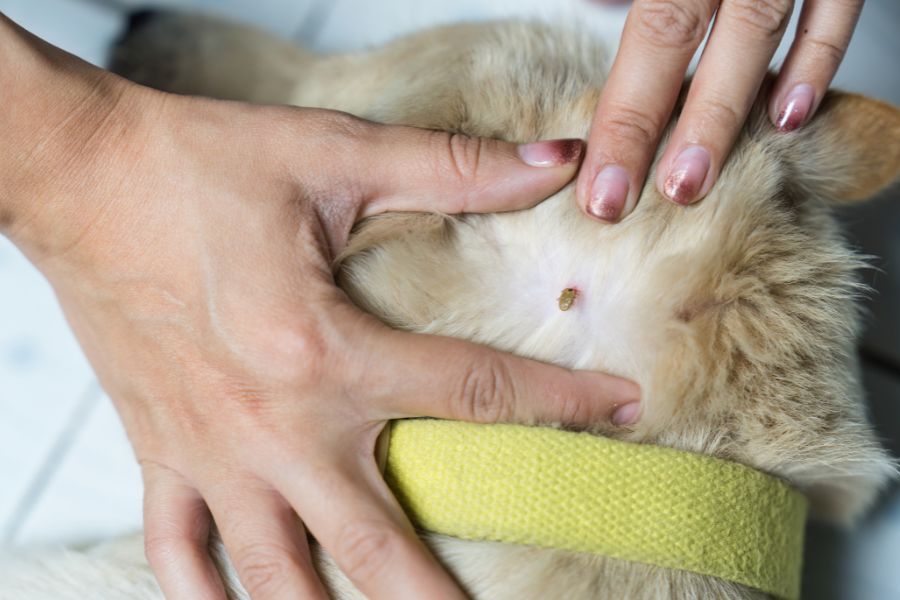
- Visible bump attached to skin
- Lethargy
- Fever
- Joint stiffness
- Loss of appetite
If you notice any of these signs, consult your veterinarian promptly for appropriate flea and tick treatment.
Best Flea and Tick Prevention Options
There is no one-size-fits-all solution. The best approach depends on your pet’s age, lifestyle, and health status.
1. Monthly Topical Treatments
Topical products are applied to the skin between the shoulder blades. They kill adult fleas and ticks and may disrupt the life cycle.
Benefits:
- Easy application
- Long-lasting protection
- Water-resistant options available
2. Oral Medications
Oral preventatives are chewable tablets given monthly or every few months.
Advantages include:
- Fast-acting flea kill
- No greasy residue
- Convenient dosing
These are often recommended for active dogs that swim frequently.
3. Flea and Tick Collars
Modern collars provide extended protection, sometimes up to eight months.
They work by releasing active ingredients gradually. This can be an effective flea and tick prevention solution for pets that tolerate collars well.
4. Environmental Control
To fully prevent fleas and ticks, treat your environment as well.
Practical steps include:
- Vacuum carpets weekly
- Wash pet bedding in hot water
- Keep grass trimmed short
- Remove leaf litter from yard
- Limit wildlife access to your property
Combining medication with environmental control provides the strongest defense.
Seasonal Flea and Tick Prevention Strategy
Even though parasites can survive year-round, their activity may peak in warmer months.
Spring and Summer
This is peak tick season. Increase vigilance after outdoor walks. Perform daily tick checks, especially around:
- Ears
- Neck
- Between toes
- Under the collar
Fall
Fleas often spike in fall because of humidity and mild temperatures. Continue preventive medication without interruption.
Winter
Do not stop preventive care. Indoor heating allows fleas to thrive inside homes. Consistent flea and tick prevention throughout winter avoids reinfestation in spring.
Safe Flea and Tick Treatment for Active Infestations
If your pet already has parasites, immediate action is needed.
Step 1: Veterinary Evaluation
A veterinarian can confirm the diagnosis and recommend the safest flea and tick treatment. Avoid over-the-counter products without professional guidance, as some may be toxic to cats or small dogs.
Step 2: Treat All Pets in the Household
Parasites spread quickly between animals. Even pets without symptoms may need treatment.
Step 3: Deep Clean the Home
- Vacuum daily for at least two weeks
- Dispose of vacuum bags immediately
- Wash all bedding and soft surfaces
- Consider professional pest control for severe infestations
Breaking the flea life cycle may take several weeks, so consistency is critical.
Natural Remedies: Are They Effective
Many pet owners ask about natural options. While certain essential oils or herbal sprays may repel insects, they are rarely strong enough to eliminate infestations.
Some natural products can also irritate skin or be toxic, especially to cats. Veterinary-approved medications remain the safest and most effective way to prevent fleas and ticks.
Special Considerations for Puppies, Kittens, and Seniors
Young and senior pets require tailored prevention plans.
- Puppies and kittens may need age-specific products.
- Senior pets with chronic illness may require medication adjustments.
- Pets with seizure disorders need careful product selection.
Always consult your veterinarian before starting any new flea and tick prevention program.
Why Consistency Is the Key to Success
The most common reason prevention fails is inconsistent use. Skipping even one month can allow parasites to reestablish.
Set reminders or pair medication with a recurring monthly routine. Year-round protection is far easier than treating a full infestation.
Conclusion
Protecting your pet from parasites requires proactive, consistent care. Effective flea and tick prevention reduces the risk of painful skin conditions and serious tick-borne diseases. Combine veterinary-recommended products with environmental management to prevent fleas and ticks in every season.
If you are searching for reliable flea and tick treatment in Glen Allen, the experienced vet team at Short Pump Animal Hospital can create a customized protection plan for your pet. Call us today to schedule an appointment and keep your pet safe all year long.
FAQs
Q1: How often should I use flea and tick prevention on my pet?
Most veterinarian-recommended products are given monthly, though some last longer. Year-round use provides the best protection.
Q2: Can indoor pets get fleas and ticks?
Yes. Fleas can live indoors, and ticks can enter on clothing or other animals. Indoor pets still need flea and tick prevention.
Q3: What is the safest flea and tick treatment for cats?
Only use products labeled specifically for cats. Some dog medications contain ingredients that are toxic to felines.
Q4: How long does it take to eliminate a flea infestation?
With proper flea and tick treatment and environmental cleaning, it may take several weeks to fully break the flea life cycle.
Q5: Are natural flea remedies effective for long-term prevention?
Natural products may offer mild repellency, but are generally not as reliable as veterinarian-approved flea and tick prevention medications.